Black Knight Butterfly Bush Buying Guide: What to Look For
When you're ready to buy black knight butterfly bush for your garden, knowing what to look for makes the difference between a thriving plant and one that struggles through its first season. This guide walks you through quality indicators, container sizes, pricing, and where to find the best nursery stock.
What to Look For When Buying Black Knight Butterfly Bush
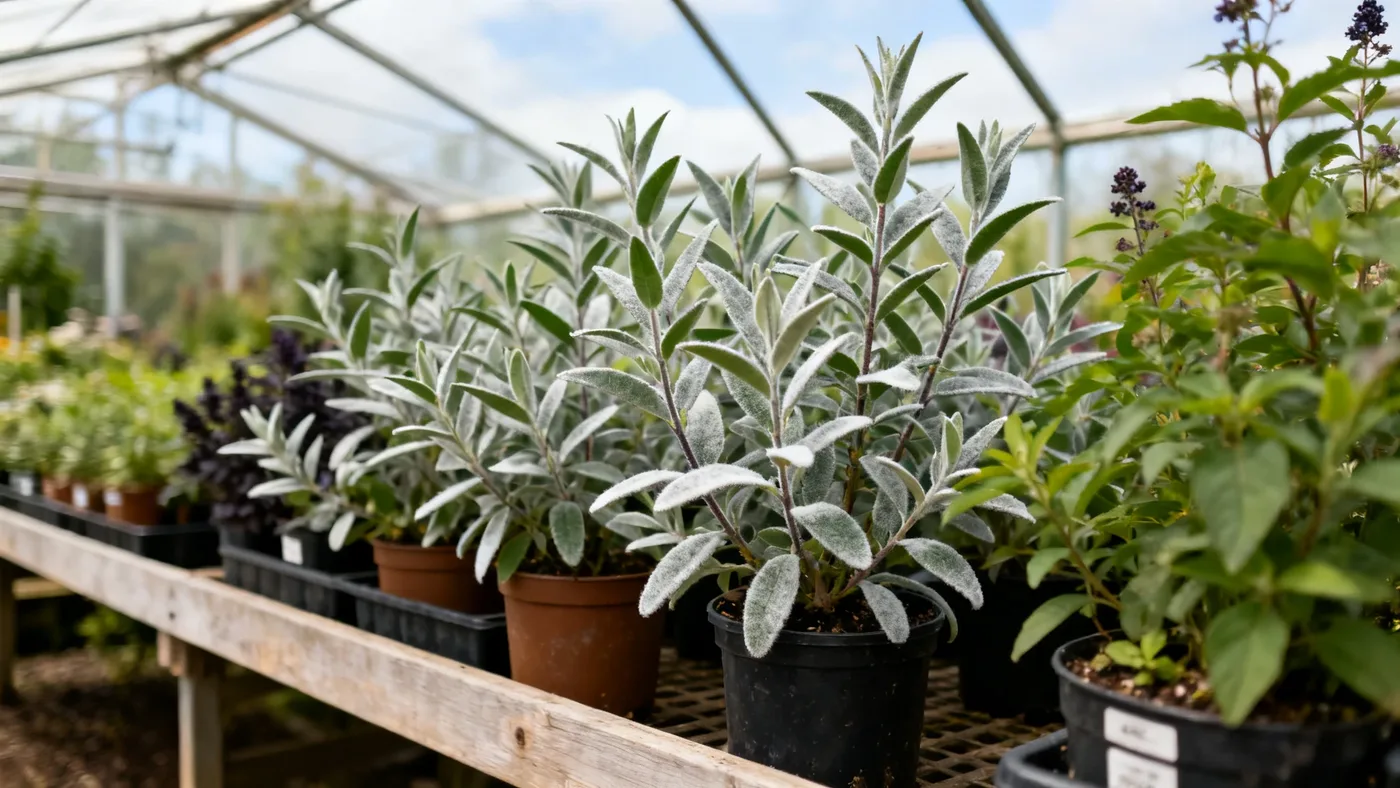
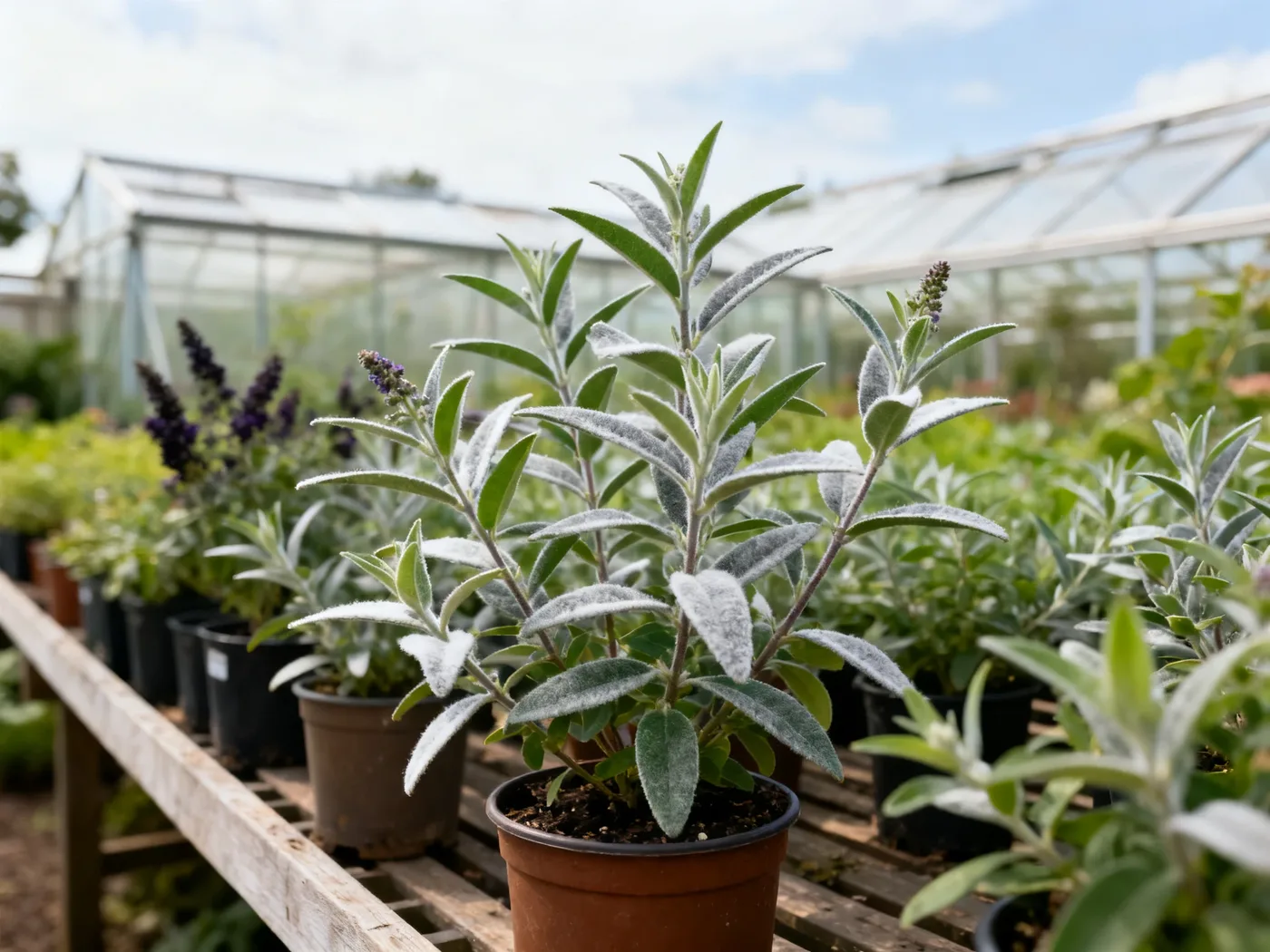
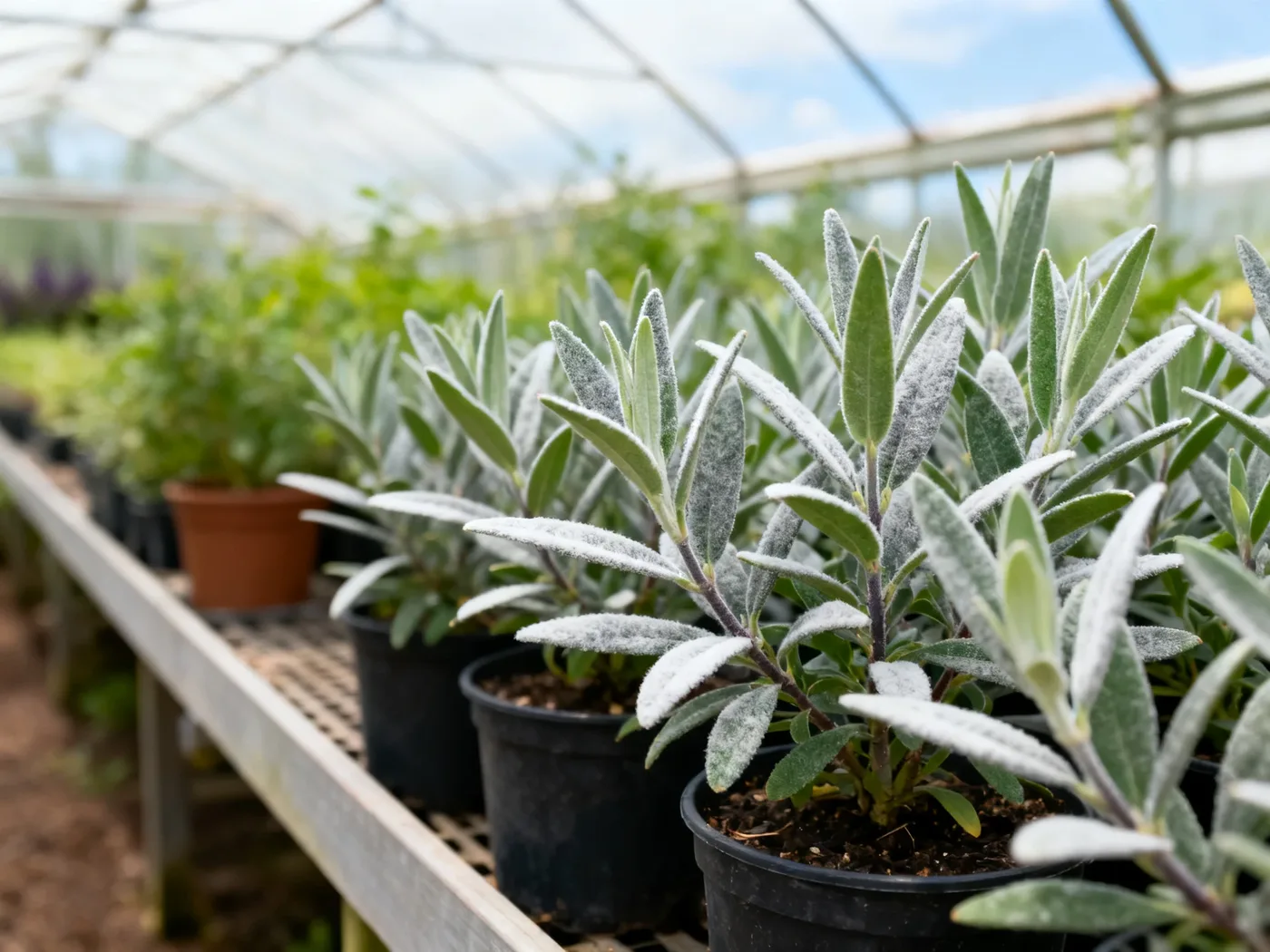
A healthy Black Knight Butterfly Bush plant should have a compact, well-branched form even at the nursery stage. Look for plants with multiple stems growing from the base rather than a single leggy shoot. The foliage should be lance-shaped and gray-green with a whitish or felted underside; this is normal and healthy. Avoid plants with yellowing or spotted leaves, which can signal pest pressure or disease.
The most reliable sign of a quality plant is vigor. Gently squeeze the stem (without damaging it): it should feel firm and turgid, not hollow or spongy. Check the underside of leaves for spider mites or aphids. Both are common on butterfly bush and treatable at home, but you want to start with clean stock if possible. A plant with early flower buds is a bonus, though not necessary; nursery plants often bloom the first year from quart-size containers regardless.
Examine the root system if possible. Ask the nursery staff to gently slide the plant from its pot. The roots should be white or tan and spread throughout the soil, not circling the bottom (a sign of being root-bound). A moderate amount of visible root is fine; it indicates the plant is well-established in its container. Heavy root-binding suggests the plant has been in stock too long.
Understanding Container Sizes and What They Mean
When you search for black knight butterfly bush for sale, you will see nursery stock sold in three standard container sizes: quart, #1 (one-gallon), and #3 (three-gallon). A quart container holds roughly 32 ounces of soil and typically ships plants that are 6 to 12 inches tall. These are the most affordable option and are worth buying if you are patient with establishment; they often flower the first year and reach full mature size in about 2 to 3 growing seasons.
#1 containers (one-gallon) offer a middle ground. They cost more than quart-size but less than #3, and the plant is already larger and more established. A #1-size Black Knight Butterfly Bush is usually 12 to 18 inches tall and has a more developed root system. This size is popular with gardeners who want faster results without the premium price tag.
#3 containers (three-gallon) give you the largest nursery-grown plant short of field-grown specimen stock. These plants are typically 18 to 24 inches or taller and can command higher prices, but they offer instant impact in the garden. A black knight buddleja container size of #3 is ideal if you want the plant to fill space quickly and flower heavily in its first summer.
Best Time to Buy Black Knight Butterfly Bush
The ideal planting season for Black Knight Butterfly Bush is spring after your last frost date or early fall to allow root establishment before winter. If you are buying to plant in spring, plan your purchase for 2 to 4 weeks before your last frost, when local nurseries stock their spring inventory. Early spring buyers get the best selection and healthiest plants.
Early fall is an underrated buying window. Plants purchased in late August or early September have time to root into your garden before the first hard frost. Many gardeners focus on spring purchases and miss summer sales that offer good value on quality stock. Check with local nurseries in August for early fall offerings.
Avoid buying Black Knight Butterfly Bush in late fall or winter in cold climates (zones 5-6), as the plant will die back to the ground or fail to establish before dormancy. If you live in zones 7-9, winter planting is more forgiving, but spring is still preferable for the best results.
Quality Comparisons Across Price Points
Black Knight Butterfly Bush plants vary in price based on size, container, and nursery brand. Here is what you can typically expect:
Budget Option ($15 to $30): Quart-size plants from online retailers or big-box garden centers. These are young, healthy stock but require more patience and care during establishment. They perform well once rooted in, but expect slower first-season growth. Best for gardeners with time and experience.
Mid-Range Option ($30 to $60): #1 or small #3 container plants from regional or specialty nurseries. These plants are more established and flower reliably in their first year. The extra cost buys you a faster path to a productive plant and better selection of named cultivars beyond the generic 'Black Knight'. This tier offers the best value for most home gardeners.
Premium Option ($60 to $120 and up): Large #3 or specimen-size plants from specialty growers. These are full-size or near-full-size plants that can bloom the same season they are planted. Premium pricing also reflects careful propagation, special care during nursery growth, and expert handling. This tier makes sense if you are planting in a visible location and want mature impact immediately.
Red Flags and What to Avoid
Some signs suggest a plant is stressed or has been mishandled. Yellowing or browning leaf margins often indicate drought stress or poor drainage during nursery growing. Small leaf size combined with thin, leggy stems suggests inadequate light or overcrowding in the nursery. A plant with these traits may recover, but it starts at a disadvantage.
Woody, hard soil that pulls away from the container sides signals the plant has been allowed to dry out repeatedly. Root-bound plants (dense, circling roots with little soil visible) have lost growing time and may take longer to re-establish in the garden. Dark, waterlogged soil or a foul odor is a dealbreaker; it indicates root rot from poor drainage or overwatering.
Ask the nursery when the plant was potted. If a quart-size plant has been in the same container for more than 6 to 8 weeks without being up-potted, ask why. Slow sales mean slow-moving stock; fresher plants from a recent shipment are preferable.
Avoid bare-root or balled-and-burlapped Black Knight Butterfly Bush unless you are buying from a specialty tree nursery that handles these forms professionally. Containerized stock is far more reliable for home gardeners and is now the standard at most retailers.
Where to Buy Black Knight Butterfly Bush
Your options range from local nurseries to mail-order specialists and big-box retailers. Each has trade-offs worth considering.
Local Nurseries: Regional nurseries offer expert staff who know which cultivars perform well in your zone and can advise on placement and care. You can inspect plants before buying and start with locally adapted stock. The trade-off is often a higher price than online options. Ask if they carry 'Black Knight' specifically or similar dark-purple cultivars.
Online Retailers: Mail-order growers and online marketplaces offer competitive pricing and a wider selection of cultivars, including 'Black Knight' alongside 'Royal Red', 'Pink Delight', and others. Shipping costs and delivery delays are factors; most reputable shippers guarantee plant arrival condition. Read reviews and check return policies before ordering.
Big-Box Garden Centers: Chain retailers carry budget-friendly quart and #1-size plants in spring and early summer. Selection is often limited to the most common cultivars, but prices are hard to beat. Staff knowledge varies, so do your own due diligence on hardiness and care.
Specialty Butterfly and Pollinator Growers: Some nurseries specialize in plants attractive to butterflies and hummingbirds. These growers often have deep inventory of Buddleja cultivars and can guide you to the right size and type for your garden. They may cost more, but the expertise is worth it if you are new to butterfly bush.
Set Your Plant Up for Success After Purchase
Once you bring your Black Knight Butterfly Bush home, the first weeks matter most. Your plant will establish better and bloom more reliably if you follow proven planting and watering steps. The complete Black Knight Butterfly Bush care guide covers soil prep, planting depth, and seasonal watering in detail. As your plant grows through its first year and beyond, pruning guidance will help you maintain a compact, floriferous shape and get the most flowering season after season.
Quick Reference: Black Knight Butterfly Bush Buying Checklist
| What to Check | Good Sign | Red Flag |
|---|---|---|
| Foliage | Gray-green, lance-shaped, whitish underside | Yellow, spotted, or discolored leaves |
| Stem Structure | Multiple stems from base, firm when gently squeezed | Single tall shoot, hollow or spongy stems |
| Root System | White or tan roots spread throughout soil, moderate circling at bottom | Roots entirely circled the pot, mushy or dark roots |
| Soil | Moist but well-draining, consistent texture | Hard and pulling away from sides, dark and waterlogged |
| Pests/Disease | No visible insects or leaf spots | Spider mites, aphids, powdery mildew, botrytis on flowers |
| Container Age | Recently potted or actively growing | Stalled growth, extremely root-bound |
| Zone Match | Rated for your USDA zone (5-9 for Black Knight) | Labeled for warmer zones only if you live in zone 5 |
| Size for Your Goal | Quart for patience and savings, #1 for balance, #3 for instant impact | Choosing size based on price alone, not your timeline |