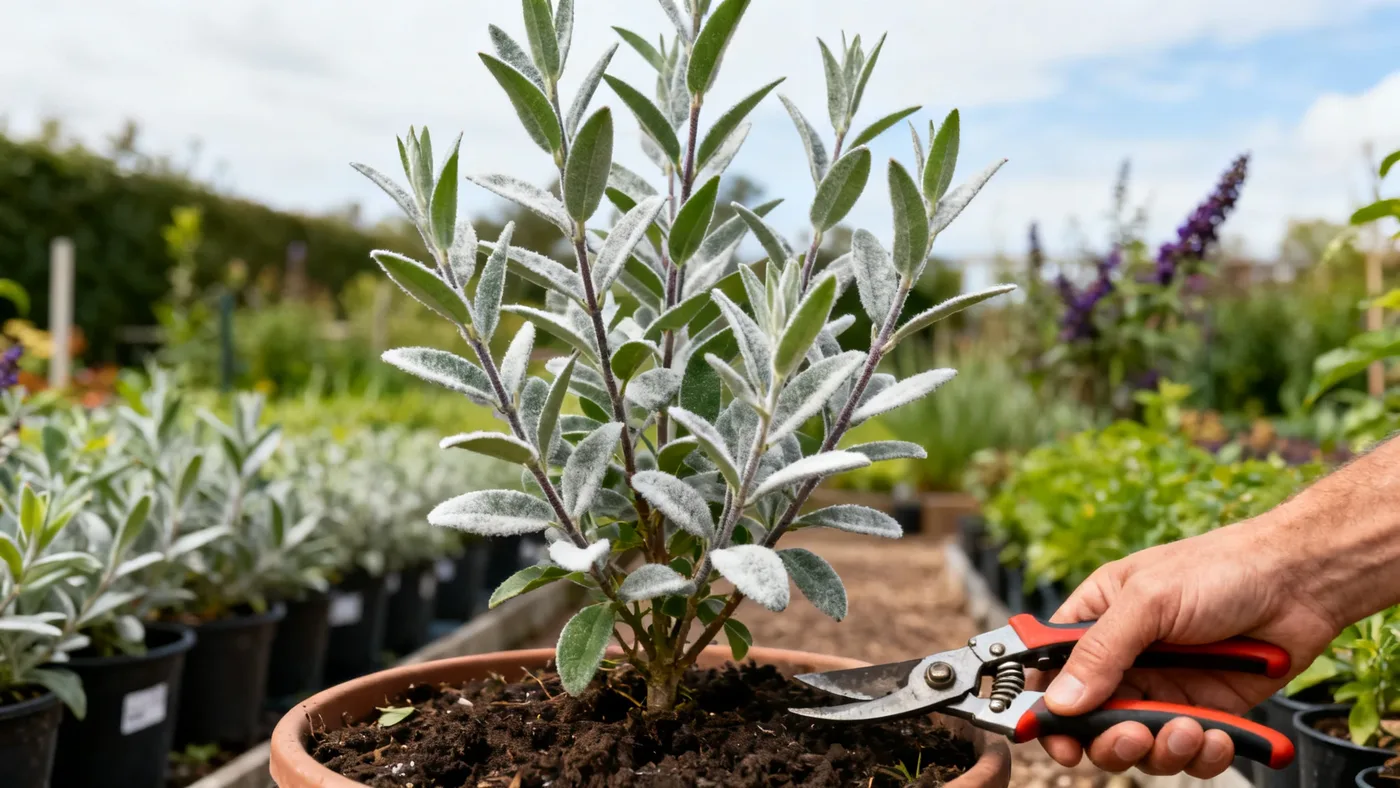
When and How to Prune a Black Knight Butterfly Bush
Black Knight Butterfly Bush is a fast-growing deciduous shrub that rewards hard pruning. Unlike many plants where cutting back feels counterintuitive, this cultivar actually needs aggressive spring pruning to produce its best display of deep purple flowers. The reason is simple: flowers form exclusively on new wood. Without annual pruning, you end up with a tall, leggy shrub that blooms only at the tips.
This guide walks you through exactly when to prune, what tools to use, and how to cut for maximum blooms and a dense, attractive form.
Why Prune Black Knight Butterfly Bush
Black Knight flowers on new wood, which means every bloom you see comes from branches that grew this season. This trait is both a blessing and a demand. It means you can cut hard without fear of removing next year's flowers. It also means pruning is not optional if you want consistent flowering and a compact plant.
Without annual pruning, Black Knight grows 3 to 5 feet per year and becomes woody and sparse at the base within two or three seasons. The plant reaches 6 to 10 feet tall and 4 to 8 feet wide at maturity, but unpruned plants often grow taller and thinner. Hard spring pruning keeps it bushy, floriferous, and manageable in size.
When to Prune Black Knight Butterfly Bush
The timing window is critical. Prune in late winter or early spring, after the last hard frost has passed but before new growth emerges. For gardeners in USDA zones 5 to 6, this is typically February to March. In zones 7 to 9, pruning can happen as early as late January or as late as early April, depending on your local frost dates and how quickly growth resumes in your area.
The key signal is bud break. Wait until you see the first hint of swelling buds or pale new leaves at the base of the plant. This tells you the shrub is ready to push growth. Pruning too early, when deep winter still holds your region, exposes new tender shoots to late frosts.
In cold zones 5 and 6, Black Knight often dies back to the ground over winter, regrowing from the roots like an herbaceous shrub. In this case, you simply cut away the dead stems and let the plant regrow naturally from the crown. The result is the same: a full, new framework of young branches ready to flower.
Do not prune in late summer or fall. New tender growth triggered by late-season pruning will not harden off before frost and will die back, wasting the plant's energy.
Materials and Tools Needed
- Pruning shears or hand pruners (for stems up to 1/2 inch diameter)
- Pruning saw or lopper (for thicker woody stems)
- Hedge shears (optional, for faster shaping of multiple stems)
- Thick gloves (the stems can be prickly and dried debris irritates skin)
- Safety glasses (flying debris when cutting woody shrubs)
- Pruning paint or wound sealant (optional; most nurseries do not recommend this for butterfly bush, as the plant compartmentalizes wounds well)
- A measuring tape or ruler (to ensure consistent height)
- A step ladder or stool (for reaching tall stems safely)
Sharpen your tools before you start. Dull blades crush tissue instead of making clean cuts, leaving the plant vulnerable to disease.
How to Prune Black Knight Butterfly Bush: Step-by-Step
Step 1: Remove Dead Wood and Winter Damage
Before making any architectural cuts, inspect the entire plant and remove all dead, diseased, or winter-damaged stems. Dead wood is gray or brown and snaps when bent. Cut these stems all the way back to the living wood or to the ground. This clears your view of what is actually alive and ready to grow.
Step 2: Cut Back the Main Framework
Cut all healthy stems back to 12 to 18 inches from the ground. This is the most dramatic part of pruning, and it is normal to feel hesitant. You are removing most of the plant. Do not second-guess this step: cutting back hard is exactly what Black Knight needs.
Make cuts just above an outward-facing bud or leaf node, angling the cut away from the bud. If the stem is too thick for hand pruners, use a pruning saw. Work your way around the entire shrub, maintaining a consistent height for a tidy appearance.
If your Black Knight has already died back to the ground (common in zones 5 and 6), simply remove all the dead stems down to the soil line.
Step 3: Thin Crowded Growth (Optional)
If the base of the plant is extremely dense or tangled, thin out some of the thinnest interior stems entirely, removing them at soil level. This improves air circulation and allows sunlight to reach new growth. Do not overdo this step. Removing 10 to 20 percent of stems is usually enough.
Step 4: Shape for Balance
After the main cut-back, look at the plant's shape. If it is lopsided or one side is much fuller than another, trim the fuller side an inch or two shorter to encourage it to branch and fill in. Black Knight grows quickly after pruning, and minor asymmetries usually correct themselves by midsummer.
Step 5: Summer Deadheading (June through August)
This is not the spring hard prune, but it is a critical ongoing task. As flowers finish during the bloom season, which typically runs from June through September, pinch off or cut spent flower panicles. Remove them just below the flower cluster, down to the first set of leaves.
Deadheading encourages the plant to produce more flowers instead of setting seed. Many gardeners find that regular deadheading extends the bloom window by four to six weeks. If you skip deadheading and let flowers go to seed, the plant will slow blooming considerably.
Tips for Success
Prune on a calm, dry day if possible. Wet plants are slippery and harder to handle safely.
Do not fertilize immediately after pruning. Wait until new growth is 4 to 6 inches long before applying a balanced spring fertilizer. Too much nitrogen too soon pushes foliage at the expense of flowers.
Black Knight grows very quickly once new growth starts. Within 6 to 8 weeks, your severely pruned shrub will look full again. By midsummer, it will be flowering freely. This rapid recovery is one of the reasons the plant is so reliable.
If you prefer a smaller shrub, you can cut back to just 6 to 8 inches from the ground. This is more aggressive and will take a week or two longer to fill in, but it produces a more compact plant and equally abundant flowers.
Deadheading is optional if you want to encourage self-seeding or if you live in a jurisdiction where Buddleja davidii is classified as invasive. Check your local extension service. In regions where butterfly bush is restricted, confirm regulations before planting.
Common Pruning Mistakes to Avoid
Pruning too late in spring or summer will trigger tender new growth that may not survive the next winter frost.
Making cuts flush against the trunk or at awkward angles encourages rot. Always cut just above a bud or leaf node, angling slightly away from it.
Pruning lightly instead of hard leaves the plant leggy. If you cut back only the top third, the lower two-thirds stays woody and sparse. Commit to the hard cut.
Waiting for perfect symmetry before planting or pruning. A slightly uneven plant after pruning will fill in within a month.
Assuming branch tips are dead when they are just dormant. Wait until bud break to prune; if stems are plump or show any color change, they are likely alive.
Expected Results After Pruning
In the first 3 to 4 weeks after spring pruning, new reddish or bronze buds will emerge along the cut stems. By week 6, new leaves will have expanded and you will see a full, bushy outline returning. The plant typically flowers about 8 to 10 weeks after pruning, depending on your zone and spring temperatures.
By mid to late summer, your pruned Black Knight should be 3 to 4 feet tall and covered with the deep purple flowers that give the cultivar its name. The orange eye at the center of each flower will be visible if you look closely. The honey-like fragrance will be noticeable in the garden, attracting butterflies and bees.
A well-pruned plant continues flowering until the first hard frost, typically September or early October in most zones.
Quick Reference Pruning Checklist
| Task | Timing | Details |
|---|---|---|
| Hard spring prune | Late winter to early spring, after last frost but before bud break | Cut all stems to 12-18 inches from ground |
| Zone 5-6 dieback management | Spring | Remove dead stems to ground; live regrowth will emerge from roots |
| Remove dead/diseased wood | During spring pruning | Cut any gray or brown stems to the ground |
| Thin crowded growth (optional) | During spring pruning | Remove 10-20% of thinnest interior stems for air circulation |
| Summer deadheading | June through September, as flowers finish | Pinch or cut off spent flower clusters; encourages rebloom |
| Fertilize after new growth | 4-6 weeks after spring pruning | Apply balanced fertilizer once new leaves expand |
| Do not prune | Late summer and fall | Late-season pruning triggers tender growth that will not survive frost |
For a complete care overview, see our complete Black Knight Butterfly Bush care guide, which covers watering, feeding, soil prep, and troubleshooting common pests and diseases.