Black Knight Butterfly Bush
Buddleja davidii 'Black Knight'
Deep Purple Butterfly Bush, Nursery-Grown & Ready to Plant
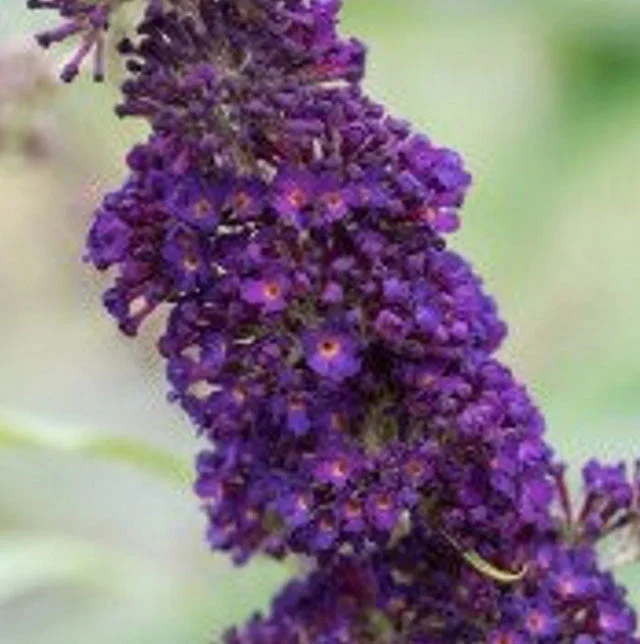
- Blooms first year from a quart-size container, with rich purple flowers and orange centers
- Fast growth: typically 3-5 ft of new growth annually; reaches mature size in 2-3 years
- Hardy in USDA zones 5-9; deer resistant and drought-tolerant once established
About this plant
Black Knight is a fast-growing deciduous shrub prized for deep purple blooms from summer through early fall. Its flowers attract butterflies and other pollinators, making it ideal for cottage gardens, pollinator gardens, and mixed borders. The dark violet-purple flowers with orange eyes create striking color contrast. Grows 6-10 ft tall and 4-8 ft wide, reaching mature size in 2-3 seasons.
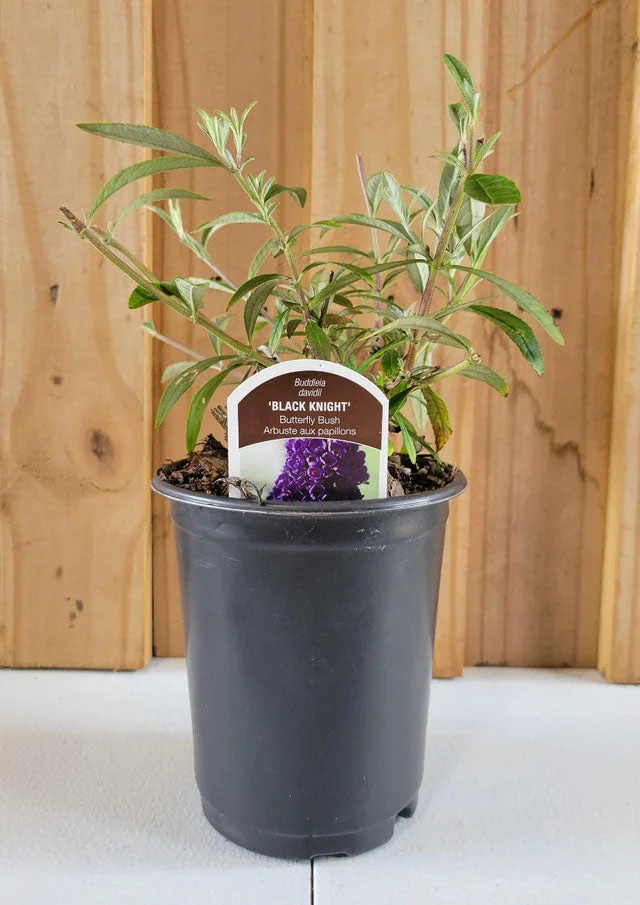
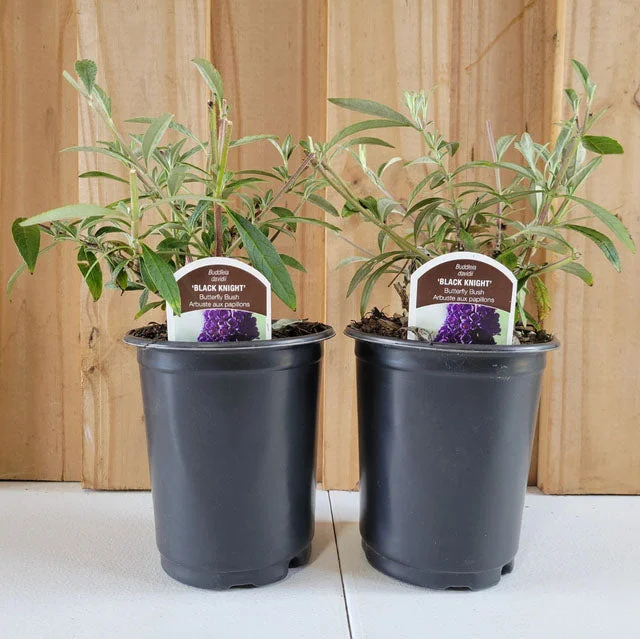
You receive a nursery-grown plant in a quart or 3-gallon container, depending on size chosen. Upon arrival, keep the soil consistently moist but not waterlogged for the first week. Plant in well-drained soil in full sun (6-8 hours daily) within a few days. Water moderately to establish; it becomes drought-tolerant once rooted in.
Black Knight Butterfly Bush at a glance
| Botanical name | Buddleja davidii 'Black Knight' |
|---|---|
| Plant type | deciduous shrub |
| USDA zones | 5-9 |
| Mature height | 6-10 ft (often smaller if cut back hard each spring) |
| Mature width | 4-8 ft |
| Sun | full sun, at least 6-8 hours daily for best flowering |
| Water | moderate water to establish; drought tolerant once rooted in |
| Bloom time | summer through early fall (roughly June-September, later in warmer zones) |
| Bloom color | deep purple with a near-black cast in bud, opening to dark violet-purple with an orange eye |
| Growth rate | fast, roughly 3-5 ft of new growth per year since it blooms on new wood and is usually cut back annually |
| Deer resistance | good/generally resistant, though not deer-proof |
| Best planting time | spring after last frost, or early fall to allow root establishment before winter |
Container sizes explained
| Quart / QT | A 4 inch pot, roughly one quart of soil. A young starter plant, the most economical way to buy several. |
|---|---|
| #1 / 1 Gallon | A trade one gallon pot (about 6.5 inches). One to two seasons older than a quart, with an established root system. |
| #2 / 2 Gallon | A trade two gallon pot. Common for peonies and perennials that need root room; usually blooms the first or second year. |
| #3 / 3 Gallon | A trade three gallon pot (about 10 inches). A well-developed shrub or small tree, often 2 to 4 feet tall on arrival. |
Questions before you buy
Should I choose the quart or 3-gallon size?
Both bloom in the first year. The quart plant is a smaller initial investment and suits gardeners who prefer starting smaller and watching it grow over 2-3 seasons. The 3-gallon provides a faster head start toward mature size and fuller summer color.
When should I plant it after arrival?
Plant within a few days of arrival. Keep the soil moist but not soggy while the plant settles in. Position it in an area that receives full sun (6-8 hours daily) for the best flowering.
How large will it eventually get?
Black Knight reaches 6-10 ft tall and 4-8 ft wide at maturity, typically within 2-3 growing seasons. Hard spring pruning can keep it more compact, which many gardeners do to encourage bushier growth and heavier flowering.
How much sun does it need?
Full sun is essential for best flowering. Plant where it receives at least 6-8 hours of direct sunlight daily. Less sun may result in reduced bloom and leggy growth.
What USDA hardiness zones is it suited for?
Black Knight is hardy in zones 5-9. In colder zones (5-6), it typically dies back hard in winter and regrows from the roots each spring. In warmer zones (8-9), it may retain more woody structure year-round.
What's required for first-year care?
Water moderately and consistently to establish a strong root system. Once established (usually by late summer), it becomes quite drought-tolerant. Plant in well-drained soil and place in full sun. It tolerates poor and sandy soils but dislikes constantly wet feet.