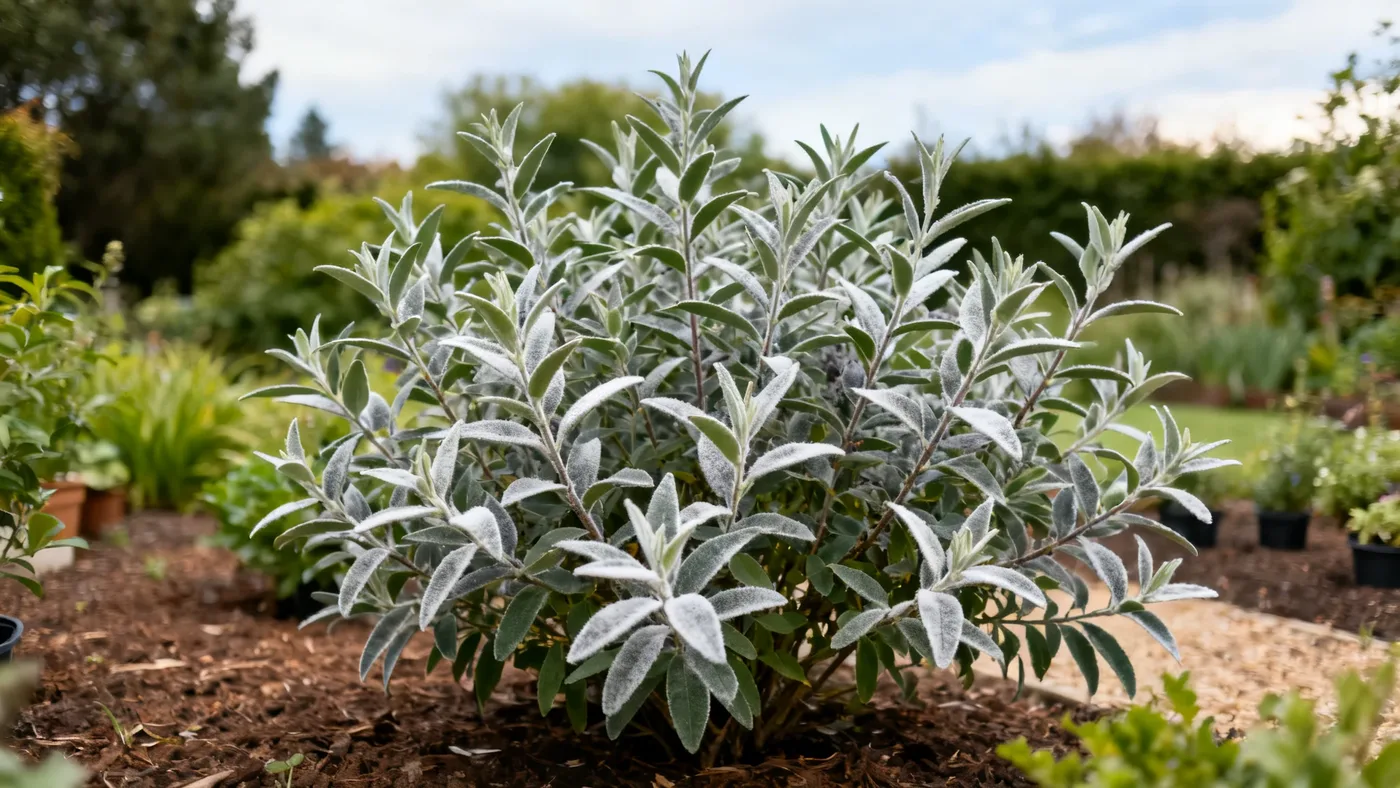
The Complete Black Knight Butterfly Bush Care Guide
Key Takeaways
- Hardiness: USDA zones 5-9; plant dies back to ground in zones 5-6
- Mature size: 6-10 feet tall and 4-8 feet wide when fully grown
- Sun requirement: Minimum 6-8 hours of full sun daily for best flowering
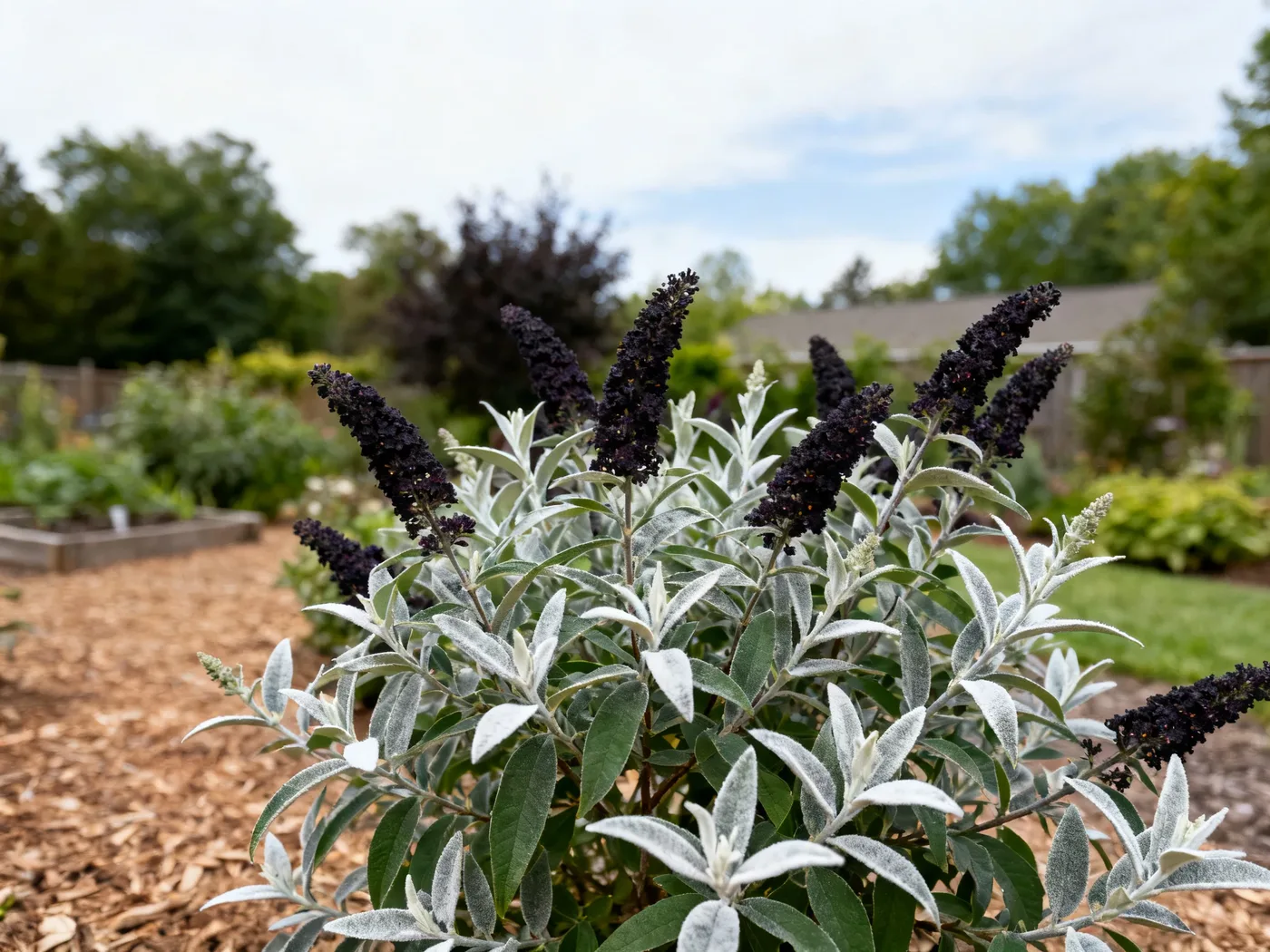
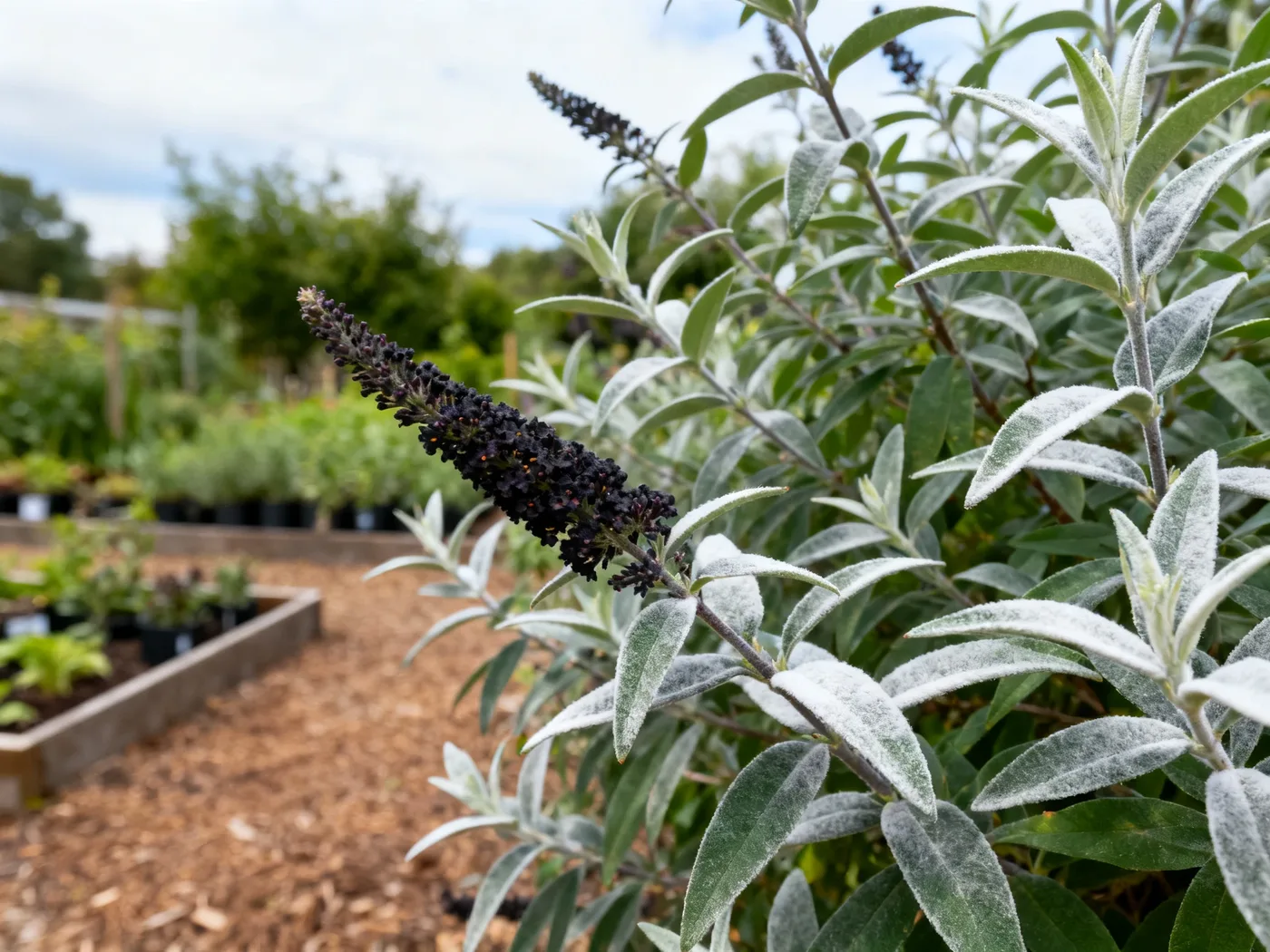
- Bloom season: June through September, with dark purple flowers and orange eyes
- Pruning: Cut back hard in late winter to 12-18 inches from the ground to encourage new growth and blooms
- Pollinator magnet: Attracts butterflies, bees, and hummingbirds throughout the season
Table of Contents
- Climate and Location Requirements
- Planting and Soil Preparation
- Watering and Fertilizing
- Pruning for Maximum Blooms
- Managing Pests and Diseases
- Seasonal Care Calendar
- Quick Reference Checklist
Climate and Location Requirements
Black Knight Butterfly Bush thrives in USDA hardiness zones 5 through 9. If you live in zone 5 or the colder parts of zone 6, expect your plant to die back to the ground each winter. This is normal behavior. The shrub will emerge again in spring as new growth sprouts from the roots. In zones 7 and warmer, the woody stems survive winter more reliably, and you'll see a fuller, established plant from year to year.
The single non-negotiable requirement for this plant is sunlight. Black Knight Butterfly Bush demands at least 6 to 8 hours of full, direct sun each day. Without adequate sun, you'll get leggy growth with sparse flowering. Plant it where it receives morning sun through afternoon. Afternoon shade in the hottest zones (8-9) is acceptable, but never choose a location with afternoon shade in cooler zones, where you need all available light to ripen the wood and set buds.
Wind tolerance is moderate. While the plant grows fast and develops woody stems, it can benefit from a windbreak in exposed locations, particularly where winter winds are harsh. Afternoon shade combined with wind exposure in zone 5 will stress the plant unnecessarily.
Planting and Soil Preparation
When to Plant
Plant Black Knight Butterfly Bush in spring after your last frost date, or in early fall to allow the root system time to establish before winter arrives. Spring planting gives you a full growing season to develop roots. Early fall planting (6 to 8 weeks before your first frost) is equally successful and sometimes preferred in warm zones where summer heat stresses new plants.
Soil Requirements
This cultivar is adaptable and tolerates average, poor, and even sandy soils. The critical detail is drainage. The plant hates constantly wet feet. Root rot occurs rapidly in heavy clay or waterlogged soil. If your soil drains poorly, amend it with 3 to 4 inches of coarse sand or aged bark before planting to improve permeability.
The target soil pH is 6.0 to 7.5, which covers most home garden soils. If your soil is significantly alkaline or acidic, a simple soil test from your extension service will tell you the adjustment needed. For most gardeners, no pH correction is necessary.
Spacing and Hole Preparation
Space plants 5 to 8 feet apart to account for their mature width of 4 to 8 feet. Dig a planting hole twice the width of the root ball and equally deep. Backfill with native soil mixed with 25 percent aged compost. Water thoroughly after planting to settle the soil and eliminate air pockets.
If you're planting a container-grown quart or number-1 container from the nursery, the root ball is relatively small. Even so, take care not to plant it too deep. The top of the root ball should be level with the ground surface. Planting too deep invites root rot.
Watering and Fertilizing
Watering During Establishment
Water regularly during the first growing season to establish a deep root system. This means weekly deep watering if rainfall is scarce. Once established (usually by the end of the first year), Black Knight Butterfly Bush exhibits high drought tolerance and needs supplemental water only during extended dry spells lasting more than two weeks.
In zones 5-6, where the plant dies back entirely, supplemental watering is less critical since the roots are dormant underground. In zones 7-9, where the woody plant persists year-round, occasional deep watering during winter dry periods prevents root damage.
Fertilizing Strategy
Use a balanced fertilizer (such as 10-10-10 or 5-5-5) applied lightly in spring just as new growth emerges. A single application is sufficient for the entire year. Avoid excessive nitrogen, which encourages foliage at the expense of flowers. Butterfly Bush already grows fast, putting out 3 to 5 feet of new growth annually. Excess nitrogen only amplifies this vigor and reduces bloom production.
If your soil is poor quality, consider applying a thin layer of compost (1 to 2 inches) in early spring rather than a synthetic fertilizer. This provides slow-release nutrients and gradually improves soil structure over time.
Pruning for Maximum Blooms
The Core Pruning Rule
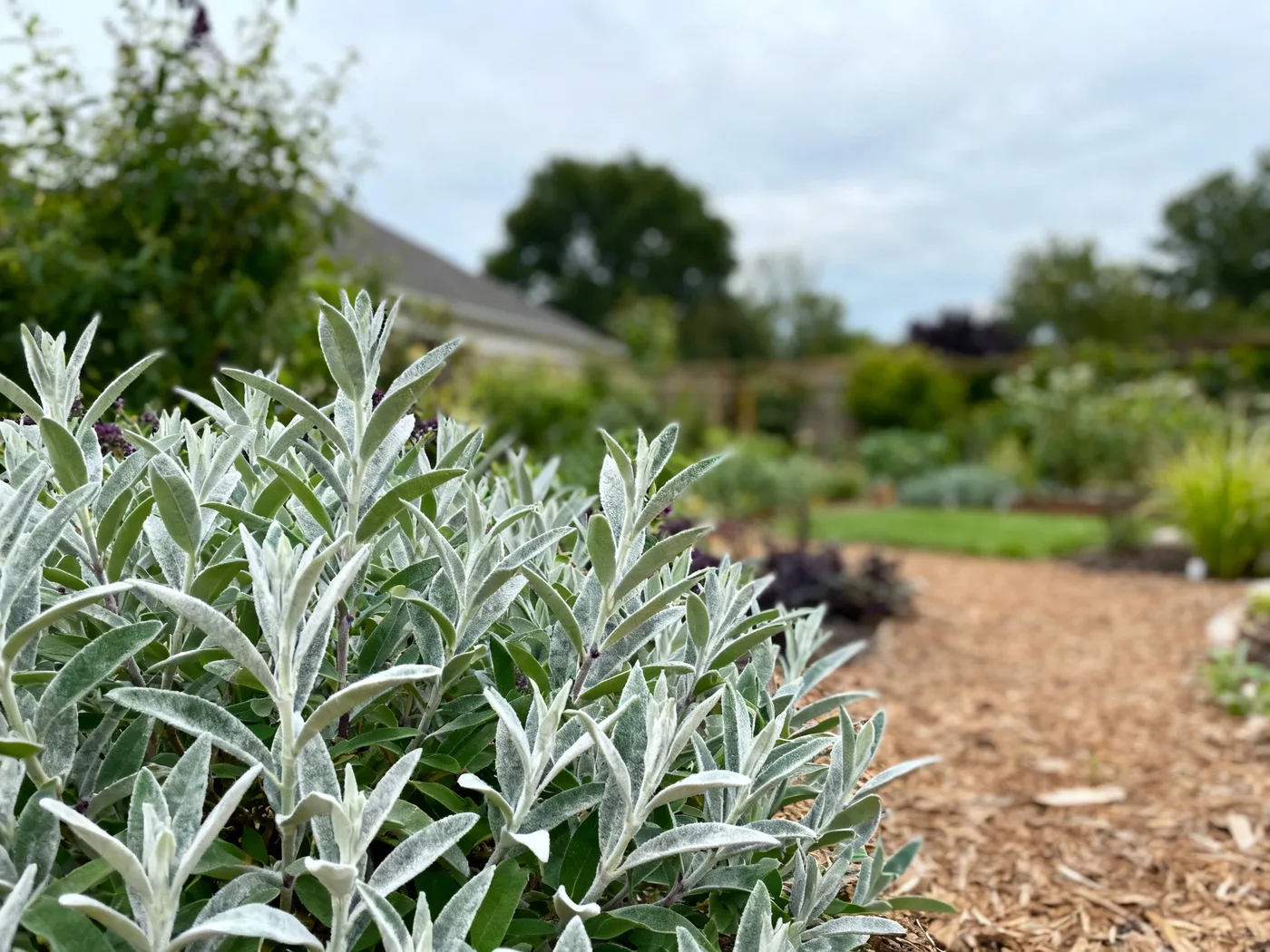
Black Knight Butterfly Bush flowers exclusively on new wood. This single fact shapes everything you need to know about pruning. Flowers don't form on year-old branches, only on shoots that emerged that same growing season. Pruning hard in late winter is not optional. It's the difference between a plant covered in blooms and one that's woody and sparse at the base.
Hard Spring Pruning
In late winter or very early spring (February to early March, depending on your zone), cut the entire plant back to 12 to 18 inches from the ground. If you live in zones 5-6 where winter dieback is typical, you may find the plant already dead to the ground. Simply remove the dead stems back to living wood at the base.
This drastic cut looks severe, but it forces vigorous new growth that will be covered in flowers by midsummer. Without this annual hard pruning, the plant becomes leggy, bare at the base, and flowers only at the tips of long, woody branches.
Deadheading Through Summer
As spent flower panicles fade, remove them by cutting just below the faded bloom. This simple task encourages the plant to produce more flowers rather than focusing energy on seed production. Deadheading also prevents unwanted self-seeding, which is important since Black Knight is a fertile cultivar capable of producing seed. In some regions, Buddleja davidii is restricted or invasive, so deadheading is a responsible gardening practice.
No Fall Pruning
Avoid pruning in fall. Late-season pruning stimulates tender new growth that won't harden before frost, leading to winter damage or death of those new shoots. Prune only in late winter or very early spring.
Managing Pests and Diseases
Common Pests
Spider mites and aphids are the primary pest concerns. Spider mites thrive in hot, dry conditions and create fine webbing on leaves. Aphids cluster on new growth and can distort foliage. Both respond well to a strong spray of water from the hose, which physically removes them. In severe infestations, insecticidal soap or neem oil applied according to label directions will control them. Monitor the plant weekly during warm weather to catch infestations early.
Root-knot nematodes are a concern in some regions, particularly in warmer zones. These soil-dwelling pests cause stunted growth and poor overall plant vigor. Healthy, vigorous plants resist damage better than stressed ones. Maintain good air circulation, avoid overwatering, and keep the plant vigorous through proper pruning and light fertilizing.
Disease Prevention
Root rot is the most serious disease threat and is entirely preventable through proper soil drainage. Never plant in wet, heavy clay. Ensure the planting site drains well, and water deeply but infrequently rather than with daily shallow irrigation.
Powdery mildew may appear on leaves, especially in humid climates or in areas with poor air circulation. This fungal disease is cosmetic rather than life-threatening. Improve air circulation by pruning out crossing branches, and water at the base rather than overhead to keep foliage dry. In severe cases, sulfur-based fungicides applied according to label directions provide control.
Botrytis (gray mold) occasionally affects flowers in consistently humid conditions. This develops when flower petals stay wet. Deadheading affected flowers and improving air circulation resolve the issue. Avoid overhead watering during bloom season.
Seasonal Care Calendar
| Season | Tasks |
|---|---|
| Late Winter / Early Spring | Cut back to 12-18 inches from ground. Apply light balanced fertilizer. Inspect for winter damage and remove dead wood. |
| Spring | Water regularly as new growth emerges. Monitor for aphids. Mulch base with 2-3 inches of aged bark. |
| Early Summer | Flowers begin to appear (June). Deadhead spent panicles weekly. Water deeply during dry periods. |
| Mid to Late Summer | Peak bloom period (July-August). Continue deadheading. Watch for spider mites in heat. Deep water weekly if rainfall is sparse. |
| Fall | Flowers continue through September. Reduce deadheading to allow some seed set if desired. Do not prune. In zones 5-6, plant dies back or hardens off. |
| Winter | Zones 5-6: Plant dormant or dead to ground (normal). Zones 7-9: Occasional deep watering if soil is very dry. |
Quick Reference Checklist
| Hardiness Zones | 5-9 (dies back to ground in zones 5-6) |
| Mature Height / Width | 6-10 ft tall / 4-8 ft wide |
| Annual Growth Rate | 3-5 ft of new growth per year |
| Sunlight | Full sun, minimum 6-8 hours daily |
| Soil pH | 6.0-7.5, adaptable outside this range |
| Spacing | 5-8 ft apart |
| Bloom Time | June-September (later in zone 9) |
| Bloom Color | Deep purple with orange eye, sweet fragrance |
| Spring Pruning | Cut back to 12-18 in. from ground (late winter/early spring) |
| Fertilizing | Light balanced fertilizer in spring only |
| Watering (Established) | Drought tolerant once rooted; water during extended dry spells |
| Pollinator Value | Highly attractive to butterflies, bees, hummingbirds |
| Time to First Bloom | First year from quart-size container |
| Expected Lifespan | 10-15 years vigorous and floriferous |
| Toxicity | Not toxic to pets or people |