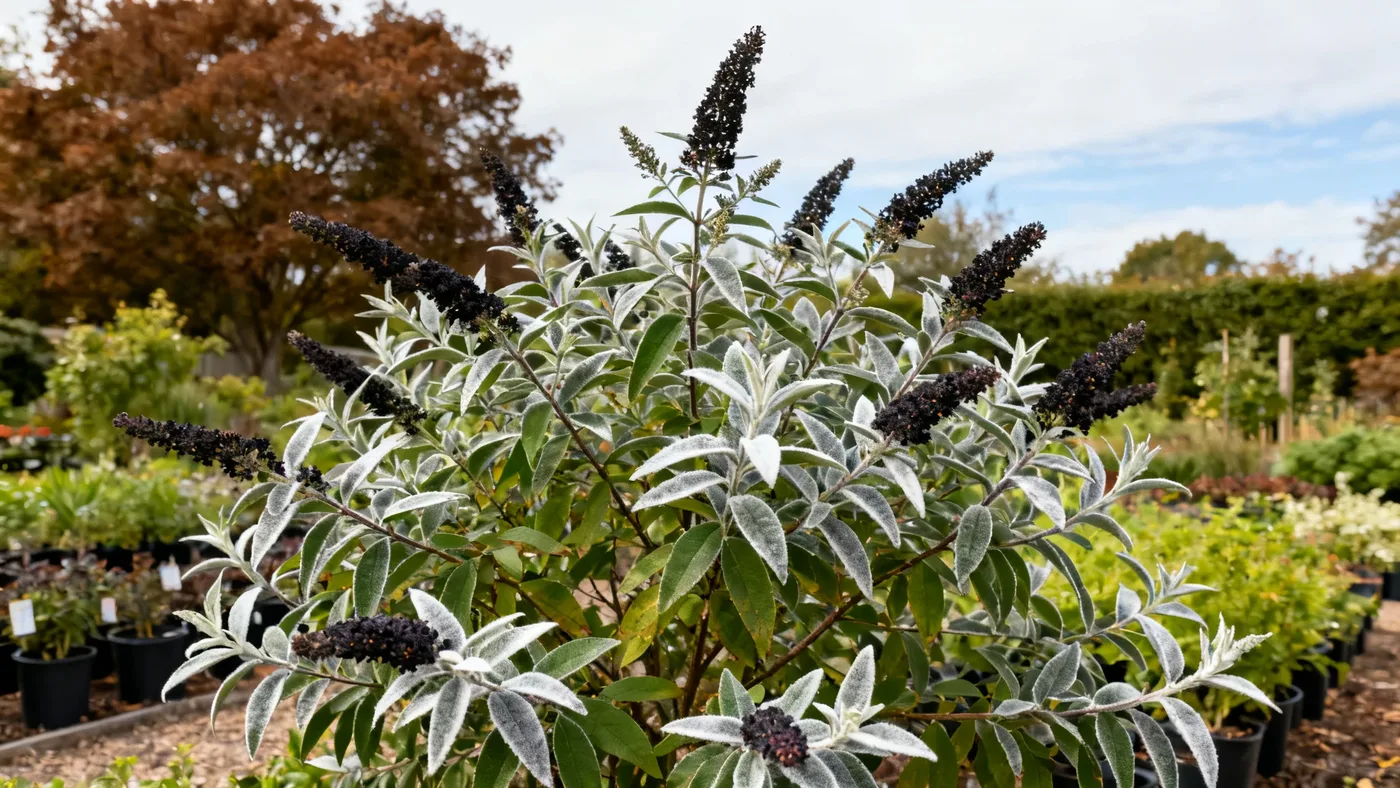
Is Black Knight Butterfly Bush Toxic to Dogs, Cats or Kids?
When you are planning a garden for your home, safety is a top concern, especially if you have curious pets or young children. Black Knight Butterfly Bush (Buddleja davidii 'Black Knight') is a stunning deep purple flowering shrub, but you may wonder whether it poses any health risks. The straightforward answer is this: Black Knight Butterfly Bush is not known to be toxic to dogs, cats, or people. Understanding what this means and how to use this plant safely in a family or pet-friendly garden is what this guide covers.
General Toxicity Questions
Is Black Knight Butterfly Bush toxic? Black Knight Butterfly Bush is not known to be toxic to dogs, cats, or people. No established toxicity data lists this cultivar as poisonous to dogs, cats, or children. It remains a popular choice among gardeners who want flowering shrubs without worrying about poisoning risk.
What does "not known to be toxic" mean? This phrase means that there are no documented cases of poisoning from Black Knight Butterfly Bush, and it is not listed on standard pet or human toxicity databases. It is not a formal guarantee, but rather a reflection of current horticultural and veterinary knowledge. If you have concerns about a specific exposure incident, contact your veterinarian or poison control center.
Should I worry about Black Knight Butterfly Bush in my garden? Most gardeners find that Black Knight Butterfly Bush fits comfortably into a family or pet-friendly landscape. The main concern with this plant is not toxicity but its vigorous growth: it reaches 6 to 10 feet tall and 4 to 8 feet wide, and it self-seeds readily if spent flowers are not deadheaded. A well-sited plant in a designated garden area is generally low-risk.
Dogs and Black Knight Butterfly Bush Safety
Is Black Knight Butterfly Bush safe for dogs? Yes, Black Knight Butterfly Bush is considered safe for dogs and does not appear on pet toxicity lists such as those maintained by the ASPCA. Dogs have individual sensitivities, and ingesting any ornamental plant material in large quantities may cause mild stomach upset, vomiting, or diarrhea, though this is from the foreign material itself rather than a toxic compound.
What happens if my dog eats Black Knight Butterfly Bush leaves or flowers? If a dog eats a small amount of leaves or flowers, no toxicity-related illness is expected. Ingesting larger amounts of any plant material can trigger mild digestive upset in some dogs. Observe your dog for vomiting, diarrhea, or appetite loss, and contact your veterinarian if symptoms persist or worsen.
Can a dog be poisoned by rubbing against or playing near Black Knight Butterfly Bush? No. Simply touching or brushing against the plant cannot cause poisoning. Toxicity requires ingestion, not skin contact, and Black Knight Butterfly Bush has no known toxic compounds in its foliage or flowers. A dog running past or resting in the shade of the plant is perfectly safe.
Are Black Knight Butterfly Bush flowers safe if a dog chews on them? The flowers are not toxic to dogs and pose no poisoning risk from chewing. You may want to discourage regular nibbling to keep the plant looking full and to prevent your dog from developing an interest in other plants in your garden. See our Black Knight Butterfly Bush care guide for more on maintaining the plant's appearance through the growing season.
Cats and Black Knight Butterfly Bush Safety
Is Black Knight Butterfly Bush toxic to cats? No, Black Knight Butterfly Bush is not toxic to cats. It does not appear on feline toxicity lists and contains no documented compounds that harm cats. Cats are generally less interested in woody ornamental shrubs than in tender houseplants, so exposure is often minimal in a typical garden.
Will my cat get sick from eating Black Knight Butterfly Bush leaves or stems? Eating Black Knight Butterfly Bush leaves or stems will not cause toxicity-related poisoning in cats. As with dogs, ingesting large quantities of plant material could potentially cause mild gastrointestinal upset, but this is not from a toxic compound. Most cats naturally avoid this woody shrub anyway.
Is it safe for cats to climb or sit in a Black Knight Butterfly Bush? There is no toxicity risk from a cat resting in or climbing the plant's branches. The plant itself poses no chemical hazard to felines. The main practical concern would be whether the stems are sturdy enough to safely support a climbing cat, but toxicity is not an issue.
Children and Black Knight Butterfly Bush Safety
Is Black Knight Butterfly Bush safe to grow in a yard where children play? Yes, Black Knight Butterfly Bush is not known to be toxic to children. It does not appear on pediatric poison lists and poses no poisoning risk from accidental contact or ingestion of small amounts. Normal outdoor supervision is always appropriate, but the plant itself is not a chemical hazard.
What should I do if my child swallows Black Knight Butterfly Bush leaves or flowers? Accidental ingestion of a small amount of leaves or flowers is not expected to cause poisoning. However, any concern about a child's ingestion warrants a call to your poison control center or pediatrician, especially if the child is very young or if a large amount was consumed. Have the common name (Black Knight Butterfly Bush) and botanical name (Buddleja davidii 'Black Knight') ready when you call.
Can children safely play near Black Knight Butterfly Bush plants? Children can safely play near Black Knight Butterfly Bush with normal outdoor supervision. The plant is not toxic, and its growth pattern as a shrub makes it less tempting than ground-level plants or berries. Ensure the plant is stable and well-rooted, especially if children will be playing in or around the garden bed.
Practical Safety and Handling
Where should I plant Black Knight Butterfly Bush in a pet-friendly garden? Since Black Knight Butterfly Bush is not toxic, placement is more about proper care and garden design than toxicity concerns. Plant it in a location with full sun, meaning at least 6 to 8 hours of direct sunlight daily, and in well-drained soil. For spacing details and step-by-step instructions, read our complete planting guide; space plants 5 to 8 feet apart to accommodate mature spread.
Do I need to wear protective gloves or gear when handling Black Knight Butterfly Bush? No special protective gear is needed when planting, pruning, or handling Black Knight Butterfly Bush. Wear standard gardening gloves and long sleeves if you prefer for comfort, but this is not a safety requirement. The plant has no known irritating sap or toxic compounds that would penetrate skin.
Are there any health risks to adults from handling or pruning the plant? There are no documented health risks to adults from handling, pruning, or planting Black Knight Butterfly Bush. Standard garden hygiene, washing hands after gardening and keeping any cuts covered, is all that is needed. If you experience any unusual skin irritation or allergic reaction while handling the plant, rinse thoroughly and consult a healthcare provider.
What should I do if someone ingests a significant amount of the plant? Contact your veterinarian for pets or poison control center for people, or call emergency services if you are concerned about the amount ingested or any symptoms that develop. Provide the plant name and describe what was ingested and when. In most cases, ingesting Black Knight Butterfly Bush will not require emergency intervention, but professional guidance is always available.
Related Safety Questions
Are all butterfly bush cultivars equally safe? Black Knight is a traditional, seed-producing cultivar of Buddleja davidii with a toxicity profile consistent with the species. Newer sterile cultivars in the Lo and Behold series and other compact selections are also not known to be toxic. Note that some regions restrict or ban the sale of Buddleja davidii due to invasive potential, so check your local regulations before planting.
What garden plants should I actually avoid if I have dogs or cats? Several ornamental plants are genuinely toxic to pets: lilies (especially toxic to cats), sago palm, oleander, azaleas, and foxglove. Consult the ASPCA Animal Poison Control Center resources or ask your veterinarian for a comprehensive list of plants to avoid in a pet-friendly landscape.
How do I create a beautiful garden that is safe for both pets and children? Choose non-toxic ornamental plants like Black Knight Butterfly Bush, which attracts butterflies and hummingbirds, alongside companion plants such as coneflower, Russian sage, black-eyed Susan, and ornamental grasses. Avoid known toxic plants, ensure good spacing so children and pets have clear walking paths, and supervise outdoor play as you would with any garden. A thriving, safe garden is about more than removing toxic plants; it is about creating a space where everyone can enjoy nature.
Is Black Knight Butterfly Bush a good choice for homes with multiple pets and young children? Yes, Black Knight Butterfly Bush is a solid choice for multi-pet and multi-child households. Its lack of known toxicity means you can plant it without worrying about poisoning from ingestion. The plant's height at maturity (6 to 10 feet) means it often sits above a small pet's grazing level, reducing the likelihood of accidental consumption.
Quick Safety Reference
| Exposure Scenario | Toxicity Risk | Recommended Action |
|---|---|---|
| Dog or cat brushes against or touches plant | None | No action needed |
| Cat climbs or sits in plant branches | None | No action needed |
| Child touches flowers or foliage | None | Normal outdoor supervision |
| Dog or cat eats small amount of leaves (few bites) | Very low | Observe for mild stomach upset; contact vet if symptoms develop |
| Child ingests small amount of leaves or flowers | Very low | Monitor; contact poison control if symptoms or parent concerns arise |
| Pet or child ingests large amount of plant material | Low | Contact veterinarian or poison control; seek emergency care if severe symptoms appear |
| Skin contact during planting, pruning, or handling | None | Standard hand-washing sufficient; no protective gear required |