Black Knight Butterfly Bush vs Lilac: Which Shrub to Plant
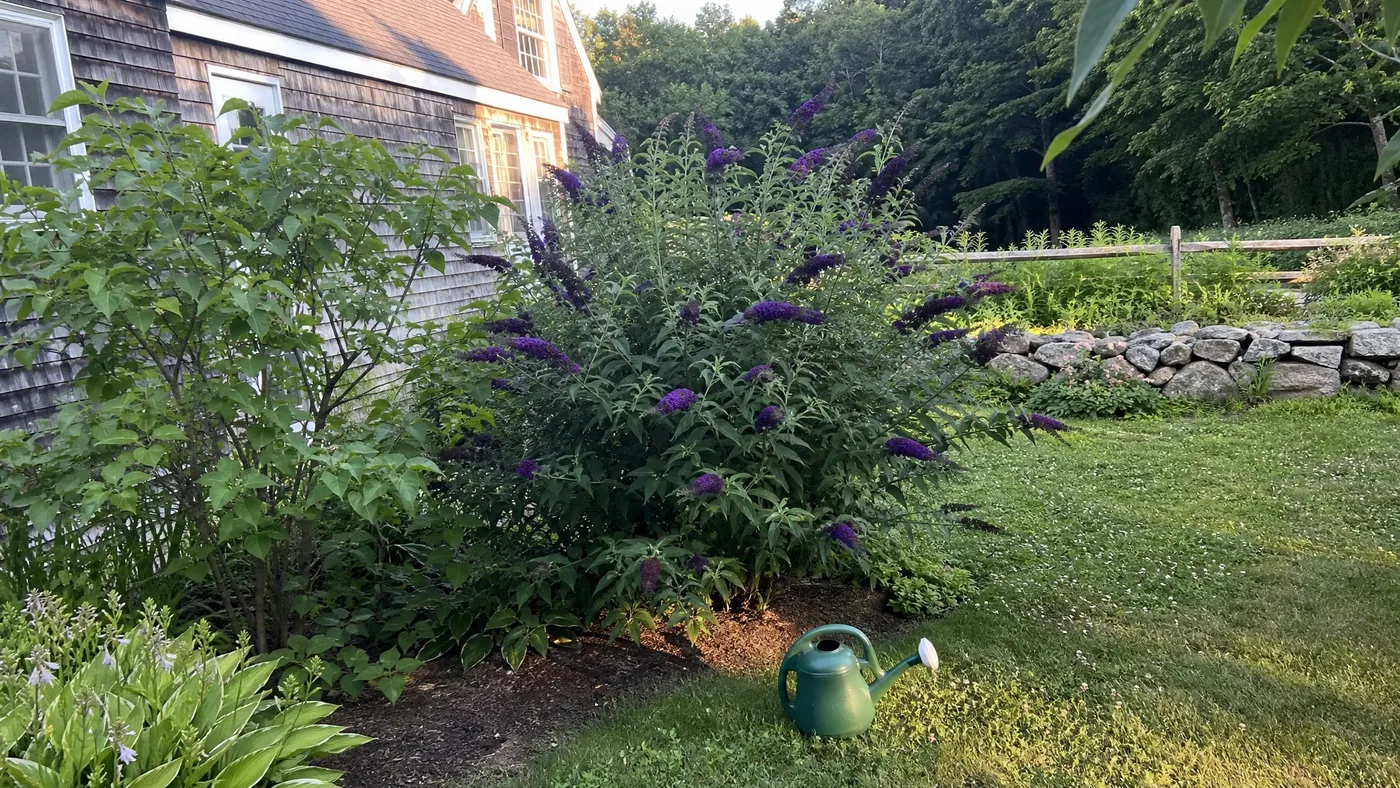
Walk a row of shrubs on a July evening and the difference is plain. Bees work the dark spires of Black Knight one flower after another, while the lilacs beside it stand in ordinary green leaf, their show finished two months ago. That contrast tells you most of what you need to know about when each shrub earns its space.
This article talks about bloom season, scent, growth speed, native habitat and wildlife, and answers the questions customers ask us most. Read on to learn how long each shrub takes to flower, what lives in the branches, and how to plant both in one border so spring and summer overlap.
Choose badly and you wait years for a bloom that lasts about a month, or you put a sun-hungry shrub where it sulks. Choose well and the yard has something purple and fragrant in it from May to frost.
What Lilac Rows Look Like After May
Lilac is a spring event, and the rest of the year it is a large green shrub. Here is what that looks like and what to do about it.
The University of Minnesota notes that the well-known and very fragrant purple flowers bloom in May. Then they are gone. What remains is a dense, upright shrub that reaches 8 to 15 feet tall and 6 to 12 feet wide, in plain green leaf through summer and fall.
The Green Months Have a Cost
Summer is also when lilac can look tired. The same university source says powdery mildew frequently attacks in summer, and a whitish coat on the leaves makes a big shrub more noticeable, not less. It rarely kills the plant, but you will see it every year in a humid yard.
Turning That Into Placement Advice
Because lilac flowers on old wood, you prune it right after the blooms fade. Cut in fall or winter and you remove next year's flowers. So give lilac a spot where its leafy bulk helps you, such as a screen, a corner or the back of a border, and not the one patch of lawn you look at all summer.
One of the most common questions we get is whether a butterfly bush can stand in for a lilac. It cannot, because the lilac's May perfume has no match. But if you can plant only one shrub in a front-and-center spot, we would give that spot to the one that works for five months.
Black Knight Butterfly Bush Keeps Pollinators Busy Until Frost
Black Knight carries its flowers at the tips of the current year's growth, so new spires keep opening while the older ones fade. That habit sets its visiting season.
Bees and Hoverflies Through the Months
The species blooms from June to September, and the University of Arkansas says that, depending on the cultivar, it can start flowering in June and may continue until late fall. Over that stretch the same shrub hosts a changing crowd. Bumble bees and honey bees work the lower flowers in the morning, and small hoverflies hover and feed on the open florets as the day warms.
Butterflies at the Honey-Scented Spires
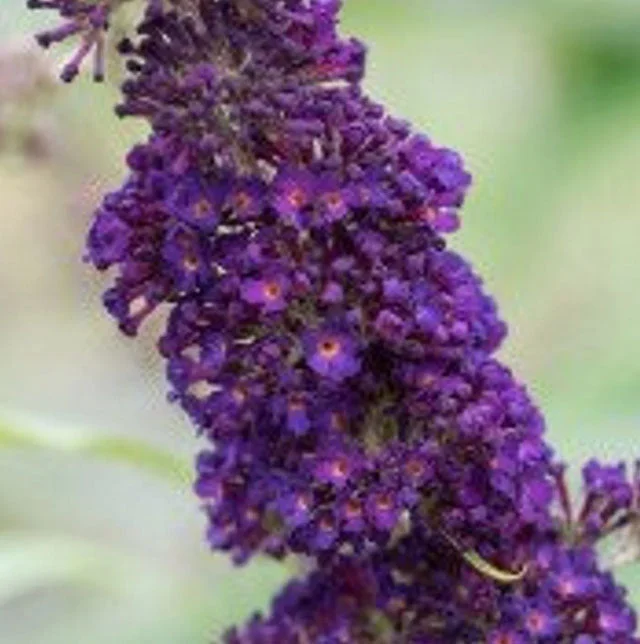
The deep purple flowers carry a honey-like fragrance, and butterflies come to it in the warm part of the day. The long, narrow panicles give them plenty of flowers to land on at once. Our guide to attracting butterflies to Black Knight covers placement in more detail.
What This Means for a Wildlife Garden
Treat Black Knight as a late-season nectar bar, not a complete habitat. It fills the gap after spring bulbs and lilac finish, and it keeps going when many native perennials have faded. Pair it with native plants that feed caterpillars and that bloom in other months. Your local extension service can tell you which natives suit your region.
Where Each Shrub Came From and Where It Belongs
A shrub's native ground explains most of what it asks of your yard. These two came from very different places.
Lilac's Cold-Country Roots
Common lilac comes from rocky hillsides in southeastern Europe, and it still performs best where winters are properly cold. The University of Minnesota rates it for zones 3 to 7. In the warmest part of that range it flowers less reliably, and in zones 8 and 9 we would not plant it at all.
Butterfly Bush Comes From Stream Banks and Slopes
The butterfly bush species is native to western China, where it grows on rocky slopes and along streams. That explains why it handles poor soil and tolerates drought once established. It is winter hardy in USDA zones 5 through 9 and adapts to most soils, with a species range of pH 6.0 to 8.0. Black Knight wants full sun, and bloom thins out as light drops.
The Overlap and the Caveat
Both shrubs grow in zones 5 through 7, which is where the two-shrub border later in this guide works best. In zones 3 and 4, lilac is your purple shrub. In zones 8 and 9, Black Knight is. One caveat is that the species grows rapidly and is sometimes weedy, so read our note on whether Black Knight is invasive and check your state's list.
Slow Lilac Years and Fast Black Knight Butterfly Bush Growth
This is the difference that surprises people most. Black Knight blooms in the first year or two, while lilac makes you wait.
What the Numbers Say
Black Knight is a vigorous large deciduous shrub with arching growth. Its ultimate size is 8 to 13 feet tall and wide, so it ends up in the same size class as lilac.
First Flowers, Realistically
Customers usually ask us how long they must wait for blooms. A butterfly bush flowers on the current season's growth, so a healthy plant set out in spring can flower that same summer. A young lilac may take several years to bloom well, and the exact wait depends on the plant's size and your climate, so ask your local extension service what to expect.
Why the Speed Differs
Black Knight puts out its flowering shoots every year, and the University of Arkansas says you can be quite aggressive with spring renewal pruning. Cutting it back hard costs you nothing. Lilac builds flowers on old wood, so every cut is a trade against next spring's bloom. Our size guide for Black Knight shows how big it gets year by year.
Scent Notes From June Through September
Lilac gives you a heavy perfume for a short time, and Black Knight gives you a lighter one for a long time. They are different pleasures.
Lilac's Brief Spring Perfume
The scent of lilac is the reason people plant it. The flowers are very sweet-smelling, and the scent arrives in May, usually over a week or two of mild days. You smell it from the doorway, then it is gone for the year.
Black Knight's Honey Scent Later
Black Knight's scent is different in kind. The blossoms have a honey-like fragrance. It is softer than lilac and you notice it close up, on a warm afternoon with the sun on the spires. It lasts from June into September, because new spires keep opening.
Plant Where You Will Walk
Put lilac under a bedroom window that you open in May. Put Black Knight beside a patio, a gate or a path where you linger in summer. A honey-scented shrub three steps from your chair is worth more than a stronger one at the back fence.
What Lives in Black Knight Butterfly Bush and Lilac Branches
Flowers are only part of what a shrub gives wildlife. Shape, density and seed matter too.
Cover and Nesting
Lilac's thick, upright branching makes good cover, and small songbirds often choose dense shrubs like it for nests. Black Knight is more open and arching, and a spring-pruned plant has little to offer a nesting bird until it leafs out. We cannot promise which birds will use either one in your region, so watch what your own yard attracts.
Caterpillars and Other Insects
Both shrubs feed adult insects more clearly than they feed caterpillars. Black Knight may be susceptible to aphids, and aphids in turn feed hoverfly larvae. For caterpillar host plants, ask your local extension service which natives suit your region and plant them nearby.
Seed Heads in Fall
This is where Black Knight earns its keep late. Spent flower spikes hold seed into fall, and finches pick at them. Leaving them is the wildlife-friendly choice, but the plant can self-seed, so decide with our deadheading guide in hand.
Planting Black Knight Butterfly Bush Beside an Old Lilac
If you already have a mature lilac, a Black Knight beside it fills the summer. The one thing to get right is room.
Placement
Give the Black Knight full sun and let it stand in front of or beside the lilac, not underneath it. At maturity it spreads 8 to 13 feet and the lilac spreads up to 12, so leave enough ground for both to reach full width without crowding each other. Crowded shrubs lose airflow, which is worth avoiding with a lilac that is prone to mildew.
Two Pruning Schedules
The two shrubs run on opposite schedules, which makes upkeep easy once you know them. Our Black Knight pruning guide has the full method.
- Prune the lilac right after its May flowers fade, because it blooms on old wood.
- Cut the Black Knight back hard in spring, because it blooms on the current year's growth.
- Do not prune the lilac in fall, or you cut off the buds it has already set.
What the Border Looks Like
In May the lilac carries the border while Black Knight is still leafing out. By late June the lilac fades into green and the butterfly bush takes over. You get a second act with no gap, and the lilac's foliage works as a backdrop for the dark purple spires.
Choose the Season You Want Most
If spring is your season, plant lilac, especially in zones 3 and 4 where Black Knight will not survive. If summer and fall are what you care about, plant Black Knight.
Black Knight Butterfly Bush
Nursery-grown Black Knight Butterfly Bush in sizes from Quart Plant, shipped to your door.
From $49.49
Shop Now →If you have room for both, put them together. Walk the rows in late October and the lilacs stand quiet, their buds already set for spring, while Black Knight's last seed heads feed finches. Every Black Knight we ship is potted, packed and shipped by our own growers so it arrives ready to plant.