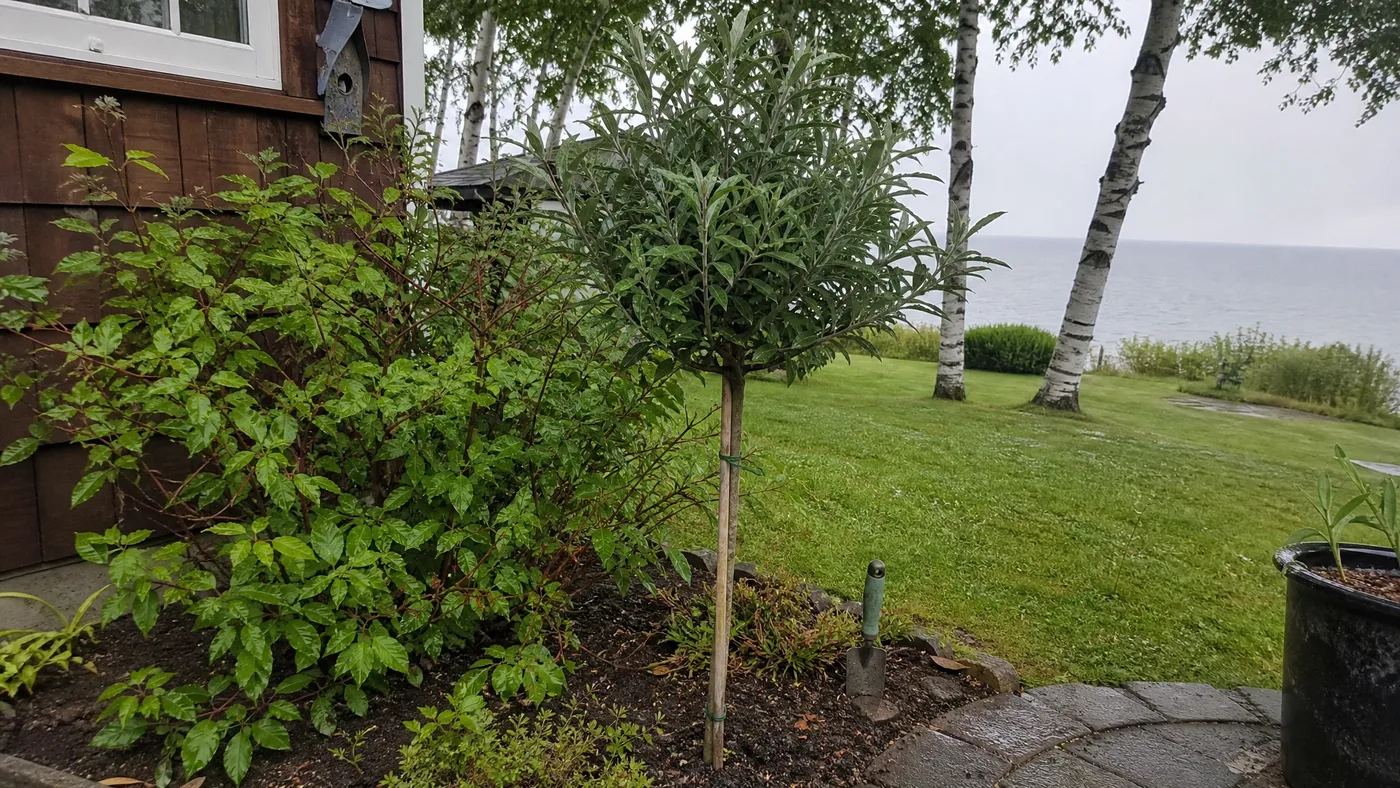
Training Black Knight Butterfly Bush Into a Tree Form
Plan on three growing seasons and a single stake. That is the real price of turning a Black Knight into a standard, and it is lower than most people expect. The plant does much of the work because it grows fast and flowers on the current year's growth, so a head cut hard each spring still blooms by summer.
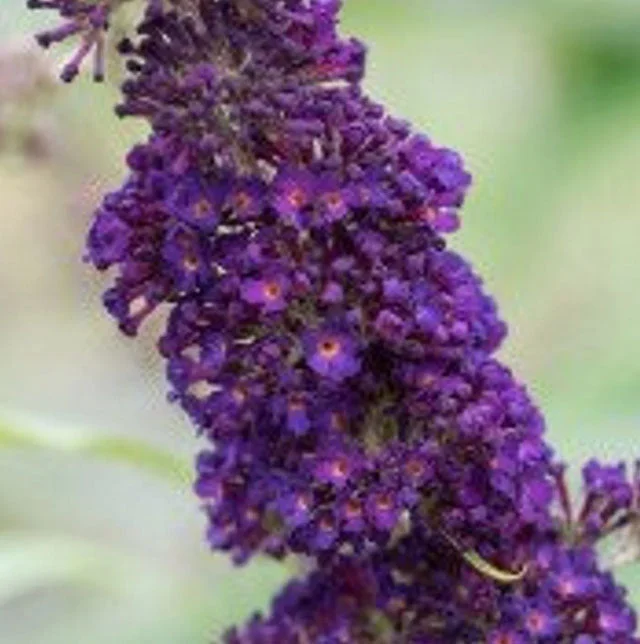
This guide covers everything you need to know about training Black Knight into a tree form, from deciding whether the wait suits you to choosing the trunk, staking, thinning side shoots, building the head and keeping it compact for years. Done well, you get deep purple, scented flower spikes held at nose height. Done badly, you get a leaning trunk and a floppy head, and a plant that keeps trying to turn back into a shrub.
Is Black Knight Butterfly Bush Worth Training as a Tree?
This is a decision about time, so we lay it out as a budget before you cut anything. Count the seasons and the tools first, then decide.
What the Three Seasons Cost
The work is light, but it is spread across years, and skipping a stage costs you a season. The table shows what each stage asks of you.
| Stage | Job | What you need |
|---|---|---|
| Choosing the leader | Pick one stem and remove the competitors | Pruners, one stake |
| Thickening the trunk | Tie, loosen and strip side shoots in steps | Soft ties, a few minutes per visit |
| Building the head | Top the leader and pinch the branches | Pruners and patience |
Three seasons is enough because the plant is fast. NC State describes the species as a rapidly growing shrub, and the cultivar has an ultimate height of 2.5 to 4 meters, about 8 to 13 feet. A plant with that much energy thickens a trunk quickly once you stop it from spreading in every direction.
What You Give Up
A standard trades the big, arching fountain of the shrub for something tidier and more formal. Be clear about what you lose.
You lose flower mass in the early years, because a single trunk carries a smaller head than a clump of stems. You also put the whole plant on one trunk, so a snapped or frozen trunk means starting again. In return you get scented purple spikes at eye level, a plant that fits a narrow bed or a pot (see our guide to growing Black Knight in a container), and a clear space beneath for low plants. If you want a large, easy shrub, leave it alone and cut it back each spring.
Choosing One Straight Stem on Your Black Knight Butterfly Bush
Everything later depends on this one choice, and a crooked leader stays crooked. Make it deliberately, in early spring as new growth starts.
Start with a young plant. We grow Black Knight for exactly this kind of shaping, and our buying guide explains what to check on the plant you choose. One of the most common questions we get is whether an old, multi-stemmed bush can become a standard. We tell customers to start with a young plant or a fresh shoot from the base, because old stems rarely run straight.
Pick the Leader
Look at every stem from the base up before you touch the pruners. Then work through these steps.
- Choose the stem that is straightest, most upright and clearly the strongest. Skip any with a kink or a tight angle near the base.
- Tie a scrap of ribbon around it so you do not lose it among the others.
- Cut the competing stems off at the base. If the leader is the only sturdy stem, shorten the weaker ones instead and remove them over the season.
- Tie the leader loosely to a stake straight away.
Why One Stem Is Enough
It can feel wrong to cut away most of a healthy plant. It works because Black Knight puts out new growth readily.
The method is the same as for a related buddleja: select an upright stem as your main trunk and tie to a cane. Black Knight is the stronger grower, so a single stem has no trouble taking over the plant's energy. Do not wait for the stem to flop before you choose it.
Staking the Trunk Before It Needs Support
Stake early, while the stem is still upright. A trunk that has already bent needs a season of correction, and that season is the one you were trying to save.
Pick the Stake
The stake sets the final trunk height, so size it with the finished tree in mind.
Use a sturdy stake that stands a little taller than the trunk you want, in wood or metal. Drive it in beside the root ball, not through it, and on the side that faces the prevailing wind so the trunk does not rub against it. A thin bamboo cane is fine for the first season, but plan to replace it with something stouter.
Tie It Right
The tie decides whether the stake helps or harms. Choose it for softness.
Use wide, flexible tie material such as rubber tree ties, soft strapping or strips of old tights. Never use wire or thin cord. Fix a tie low, one near the top of the stem, and others between as the leader grows. Make each a loose figure eight with the stake in the middle loop, so the trunk can move a little. Movement is what makes it thicken.
Loosen as the Trunk Fattens
Ties that fit in spring will pinch by late summer. This is the job most people forget.
Check every tie each time you are in the garden. If you see a ridge in the bark, loosen or replace it at once. In our rows, the plants that lean are nearly always the ones staked after they bent, and the ones with scarred trunks are the ones whose ties were never checked.
Stripping Side Shoots Without Losing Leaf Power
The trunk does not thicken from the stake. It thickens because leaves feed it, and that is why you remove side shoots gradually.
Common advice says to strip every side shoot at once for a clean trunk. We do not, because a bare pole has no leaves to fatten it, and a plant stripped hard in summer grows thin and weak at the base. Take the lowest shoots first and keep the upper ones working until the head is ready.
Remove From the Bottom Up
Work in small stages, a few shoots at a time, across the first two seasons. Here is the order we follow.
Remove the lowest side shoots first, cutting them flush with the trunk without nicking the bark. Leave the higher ones, and let short leafy shoots grow along the trunk below the future head. Do this at each visit through the growing season, taking a few more each time.
Keep Leaves on the Trunk
Short side shoots along the leader are temporary workers. They make food for the trunk and shade the bark.
Pinch each of these shoots back to a few leaves so it stays small and does not compete with the leader. They come off for good only once the trunk is stout enough to stand without the stake leaning on it, usually by the third season. Remove any flower buds that form on these low shoots, so the plant spends its energy on the trunk.
Pinching Out the Crown at Trunk Height
This is the stage that turns a tall stick into a tree. You top the leader once, then pinch the branches that follow.
Top the Leader
Wait until the leader has grown a little past the height you want for the trunk. Then make the cut in early to mid-spring.
Avoid doing this in winter. Pruning in winter may lead to frost damage of new shoots, and a topped leader pushes new shoots from the cut. Cut just above a bud or a pair of leaves. The top few buds will break into the first branches of the head.
Pinch to Build the Head
Now you shape the crown by pinching. Each pinch turns one shoot into two.
When the new branches have a few pairs of leaves, pinch out each tip. Repeat on the shoots that follow until the head looks round and full. Stop once it is dense. Black Knight flowers on the tips of the current year's growth, so every pinch delays bloom a little, and a head still being pinched in midsummer will flower late. Expect fewer spikes in the head-building year, and plenty after it.
Black Knight Butterfly Bush Pruning Once the Shape Is Set
After the head is built, the yearly cut keeps it compact. It differs from the shrub cut because you stop at the top of the trunk, not at the ground.
The Spring Cut
Do this once a year, in early spring, as growth begins. A standard buddleja has its head pruned hard back to the top of the trunk in early spring, and the head regrows by early summer.
Cut last year's flowering stems back to one or two buds from the older wood of the head, leaving a knuckle of short stubs. Keep the shape round as you go. Then check the trunk below the head and remove any shoots that have appeared since last year.
Deadheading a Tall Head
Spent flower spikes are easy to reach on a shrub and awkward on a standard. It is still worth doing.
Clemson notes that deadheading spent panicles neatens the plant, lengthens the bloom period and prevents unwanted seedlings. Use pruners and a step stool, or a long-handled pair, and see our guide on deadheading Black Knight for how far to cut.
Years Four and Beyond for a Black Knight Butterfly Bush Standard
Once the first three seasons are paid for, upkeep is small. It is still not zero, and a few jobs come back each year.
Trunk Renewal and Suckers
Every trunk eventually fails, whether from cold, a split or old age. Plan for that day rather than being surprised by it.
Shoots from the base of the plant are the insurance. Remove them as they appear so they do not draw from the trunk, but if you want a successor, keep one and shorten it each spring. If the trunk dies, cut it out, choose your new leader from the strongest shoot and begin again at the choosing stage. In the colder end of zones 5 through 9, an exposed trunk takes more of a beating than a shrub, so read our winter care guide before the first hard frost.
Replacing Stakes and Ties
A stake that rots at the base can fail in a storm. Check it each spring while the head is still bare.
Drive the new stake in before pulling the old one, and keep it away from the main roots. Keep up the habit of checking ties, because a thicker trunk and a heavier head press harder on them each year.
What Upkeep Costs in Time
The long-haul bill is a handful of short visits. In spring there is the hard cut and the stake check. In summer you remove trunk shoots and deadhead. In autumn you look for splits and loosen ties. That is the whole routine, and it is far less work than three seasons of training.
The Black Knight Butterfly Bush Standard, Totaled Up
Here is the ledger. Three growing seasons, one stake, a supply of soft ties and a pair of pruners buy you a single straight trunk topped with a round head of deep purple, scented spikes. After that, the upkeep is one hard cut each spring and a few short checks through the year. For the plain shrub, which is cut near the ground instead, see our guide on when and how to prune Black Knight.
Black Knight Butterfly Bush
Nursery-grown Black Knight Butterfly Bush in sizes from Quart Plant, shipped to your door.
From $49.49
Shop Now →Customers come back to us for Black Knight because it forgives hard cuts and keeps flowering, and that same forgiveness is what makes a standard possible. We grow and sell the plant as growers with our own farms, and we want yours to end up as straight as the one you pictured.