Is Black Knight Butterfly Bush Deer Resistant?
Black Knight Butterfly Bush is generally deer resistant, making it a reliable choice for gardens where deer browsing is a concern. While not completely deer-proof, its foliage and growth habit discourage most casual browsing. This guide answers the most common questions about deer resistance and how to maximize protection for your plants.
Understanding Deer Resistance
Is Black Knight Butterfly Bush deer resistant?
Yes, Black Knight Butterfly Bush has good deer resistance and is generally resistant to browsing. However, it is not entirely deer-proof, meaning determined deer or extreme food scarcity may occasionally result in light damage. This makes it a solid foundation plant for deer-resistant borders, especially when combined with other resistant species.
What makes Black Knight Butterfly Bush resistant to deer?
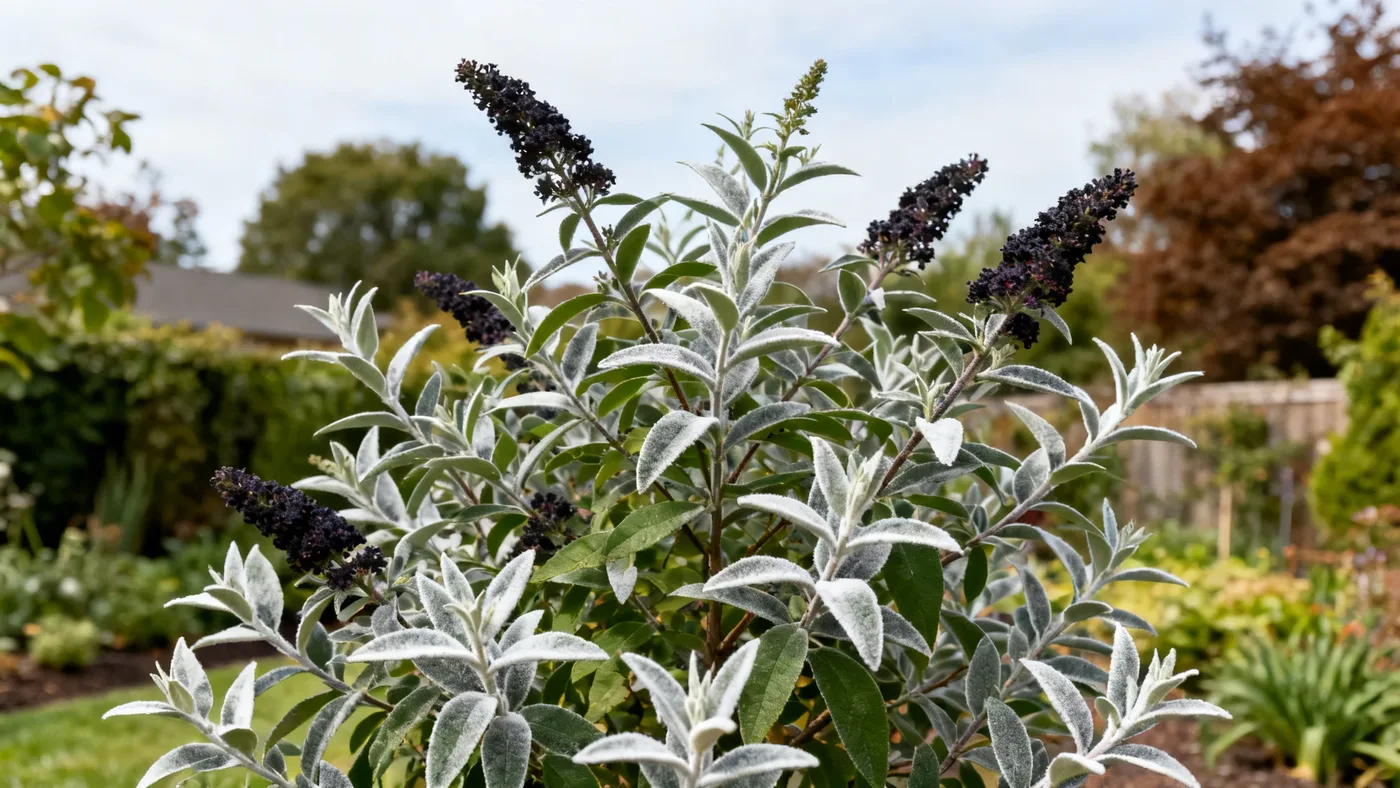
The lance-shaped, gray-green foliage with a whitish, felted underside creates a texture and taste profile that most deer find unpalatable. The plant's vigorous growth and ability to recover quickly from occasional browsing also contribute to its practical resilience in deer country. Additionally, deer tend to avoid plants in active bloom, and Black Knight flowers prolifically from June through September.
Is butterfly bush completely deer-proof?
No shrub is 100 percent deer-proof, and Black Knight Butterfly Bush is no exception. In areas with severe food shortages, persistent deer populations, or unusually high browse pressure, light damage may occur. Pairing Black Knight with a diverse, multi-layered deer-resistant planting scheme greatly improves overall protection for your garden.
Will deer eat Black Knight Butterfly Bush if food is scarce?
During extreme winter conditions or prolonged droughts when natural browse is depleted, deer may sample almost any plant, including somewhat resistant ones like Black Knight. Most gardeners in moderate to heavy deer zones report little to no damage to established plants, even in difficult years. Young, tender growth is always more vulnerable than mature foliage, so protecting new plantings is especially important.
How does Black Knight compare to other deer-resistant shrubs?
Black Knight Butterfly Bush ranks among the more effective deer-resistant shrubs and can be planted alongside coneflower, Russian sage, salvia, black-eyed Susan, and ornamental grasses for a comprehensive barrier. Unlike some ornamentals that deer avoid only when abundant food is present, butterfly bush maintains consistent resistance due to its unpalatable foliage chemistry. It is generally considered as reliable as or more reliable than many common alternatives in mixed borders.
Planting Strategies for Maximum Protection
Where should I plant Black Knight Butterfly Bush to deter deer?
Plant Black Knight in full sun locations that receive at least 6 to 8 hours of direct sunlight daily; sunlit areas are more visible and typically less attractive to deer than shadowy corridors. Placing plants near active areas of your garden, such as patios or frequently used pathways, also discourages browsing since deer prefer to forage in quiet, undisturbed zones. Avoid isolated plantings at the garden's edge; use them as part of a dense, varied border instead.
Should I plant Black Knight Butterfly Bush in groups or as single plants for deer protection?
Mass plantings of Black Knight (spacing plants 5 to 8 feet apart for mature spread) create a more imposing visual barrier and practical resistance than isolated specimens. A grouping of three to five plants creates a formidable presence that deer are less likely to probe than a lone shrub. This density also allows the plants' fast growth rate of 3 to 5 feet per year to quickly fill space and establish a unified, established appearance.
Does maturity affect how resistant the plant is to deer?
Established, mature Black Knight plants (typically 2 to 3 growing seasons old) are more resistant to serious damage than young nursery plants. Young foliage is softer and more palatable, so new plantings warrant extra vigilance during their first season or two. Once a plant reaches its mature height of 6 to 10 feet, its size and woody structure make casual browsing far less rewarding for deer.
Can I use Black Knight Butterfly Bush as part of a deer-resistant border?
Absolutely. Black Knight works exceptionally well as a foundation or mid-layer shrub in multi-tiered, deer-resistant borders combining it with herbaceous companions. Pair it with coneflower, black-eyed Susan, and ornamental grasses to create layers that overwhelm deer's browsing choices. This mixed approach is more effective than relying on any single species, even one with good deer resistance.
Growing Conditions and Plant Vulnerabilities
Do young plants face more deer pressure than established ones?
Yes, nursery-sized Black Knight plants (typically sold in quart, #1, or #3 containers) are more vulnerable to browsing than mature specimens because their foliage is more tender and the entire plant is smaller. New plantings in spring should be monitored closely during the first growing season. Protective fencing or netting around new transplants for their first 6 to 12 months is a sound investment in high-deer-pressure areas.
Does sun exposure affect deer browsing on Black Knight?
Plants growing in full sun (at least 6 to 8 hours daily) tend to develop tougher, more resilient foliage and are less attractive to deer than plants struggling in shade. Sunny sites also place the shrub in more visible, active areas of the garden where deer naturally avoid lingering. Conversely, shaded plantings may experience slightly higher browse pressure because deer feel less exposed foraging there.
Can I grow Black Knight Butterfly Bush in containers to protect it from deer?
Black Knight is suitable for container growing for a season or two, but performs better and overwinters much better planted in the ground given its mature size of 6 to 10 feet. If you must grow it in a container temporarily, it can provide a mobile, elevated plant that is safer from deer than ground-level specimens. However, containers limit the plant's lifespan and vigor; transition to in-ground planting as soon as possible.
What companion plants work well with Black Knight for deer protection?
Highly effective companions include coneflower, Russian sage, salvia, black-eyed Susan, coreopsis, and ornamental grasses. These plants are themselves resistant to deer and their varied textures and bloom times create a layered, diverse border that discourages browsing more effectively than any single species. Planting these mixed communities means even if deer sample one or two species, your garden maintains structure and visual appeal.
Regional and Seasonal Considerations
Do deer pressure and seasons affect Black Knight Butterfly Bush?
Deer pressure typically peaks in late fall and winter when natural food sources dwindle, and again in spring when tender new growth emerges. Black Knight blooms from June through September, a period when deer are generally less interested in browsing due to abundant natural forage. Mature foliage and the plant's consistent resistance help it weather peak deer season with minimal damage.
Is Black Knight Butterfly Bush deer resistant in colder zones (5-6)?
Yes, Black Knight is hardy in USDA zones 5 through 9, making it suitable for colder regions where deer pressure is also common. In zones 5 and 6, the plant often dies back to the ground in winter and regrows as a more herbaceous shrub, which may actually reduce severe deer damage since the woody structure is absent until regrowth begins in spring. Even in cold zones, established plants recover quickly due to their vigorous growth rate of 3 to 5 feet per year on new wood.
Are there states where Black Knight Butterfly Bush is not recommended due to invasiveness concerns?
Buddleja davidii (the parent species) is classified as invasive or a noxious weed in parts of the Pacific Northwest, including Oregon and Washington, where sale and planting are restricted in certain jurisdictions. Black Knight is an older, fertile (seed-producing) cultivar rather than one of the newer sterile types, so check local and state regulations before planting or recommending it in your area. In regions where it is not restricted, regular deadheading of spent panicles through summer prevents unwanted self-seeding and spread into wild areas.
Maintenance, Recovery, and Long-Term Care
Does pruning affect deer resistance?
Regular pruning encourages dense, vigorous growth that actually enhances deer resistance over time. Cut Black Knight back hard in late winter or early spring to 12 to 18 inches from the ground (or to ground level in cold-dieback zones), which stimulates multiple stems and a fuller profile. This densely branching, bushy form is less inviting to deer than weak, sparse growth or long, rangy stems that are easy to browse.
How do I recover if deer do browse my Black Knight?
Damage to established Black Knight plants is usually superficial and temporary because the plant grows so vigorously. Light browsing heals naturally as new growth emerges; the plant blooms on new wood and will quickly produce fresh, undamaged foliage and flowers. If multiple stems are severely damaged, normal annual pruning (cutting back to 12 to 18 inches in late winter or early spring) will reset the plant and restore its form.
What is the lifespan of a well-maintained Black Knight Butterfly Bush?
A properly maintained Black Knight Butterfly Bush remains vigorous and floriferous for 10 to 15 years or more. Consistent annual pruning in late winter or early spring, light spring fertilizing with balanced fertilizer, and deadheading of spent flower panicles through summer support longevity and productivity. Many gardeners rejuvenate or replace plants after 10 to 15 years as they naturally become woodier and less floriferous, but this is a choice rather than a necessity.
Should I deadhead to prevent self-seeding and reduce deer interest?
Yes, deadheading spent panicles through the summer encourages rebloom and prevents unwanted self-seeding, which is especially important in regions where Buddleja davidii is considered invasive. The act of deadheading also keeps the plant looking tidy and full, which may subtly deter browsing. This maintenance task requires minimal effort and delivers multiple benefits including extended bloom, controlled spread, and a neater appearance.
Quick Reference: Deer Resistance and Growing Checklist
| Aspect | Details |
|---|---|
| Deer Resistance Rating | Good / generally resistant, not deer-proof |
| USDA Hardiness Zones | 5–9 |
| Mature Height | 6–10 feet |
| Mature Width | 4–8 feet |
| Spacing (center to center) | 5–8 feet apart for mature spread |
| Annual Growth Rate | Roughly 3–5 feet of new growth per year |
| Sunlight Requirement | Full sun, at least 6–8 hours daily |
| Bloom Time | June–September (roughly; later in warmer zones) |
| Bloom Color | Deep purple with orange eye |
| Fragrance | Sweet honey-like fragrance |
| Annual Pruning Time | Late winter or early spring to 12–18 inches from ground |
| Fertilizing | Light spring application of balanced fertilizer |
| Years to Maturity | Reaches full size in approximately 2–3 growing seasons |
| Lifespan | 10–15 years or more with proper maintenance |
| Recommended Companion Plants | Coneflower, Russian sage, salvia, black-eyed Susan, ornamental grasses, coreopsis |
For comprehensive growing guidance, see our complete Black Knight Butterfly Bush care guide.