Is There a Dwarf Black Knight Butterfly Bush?
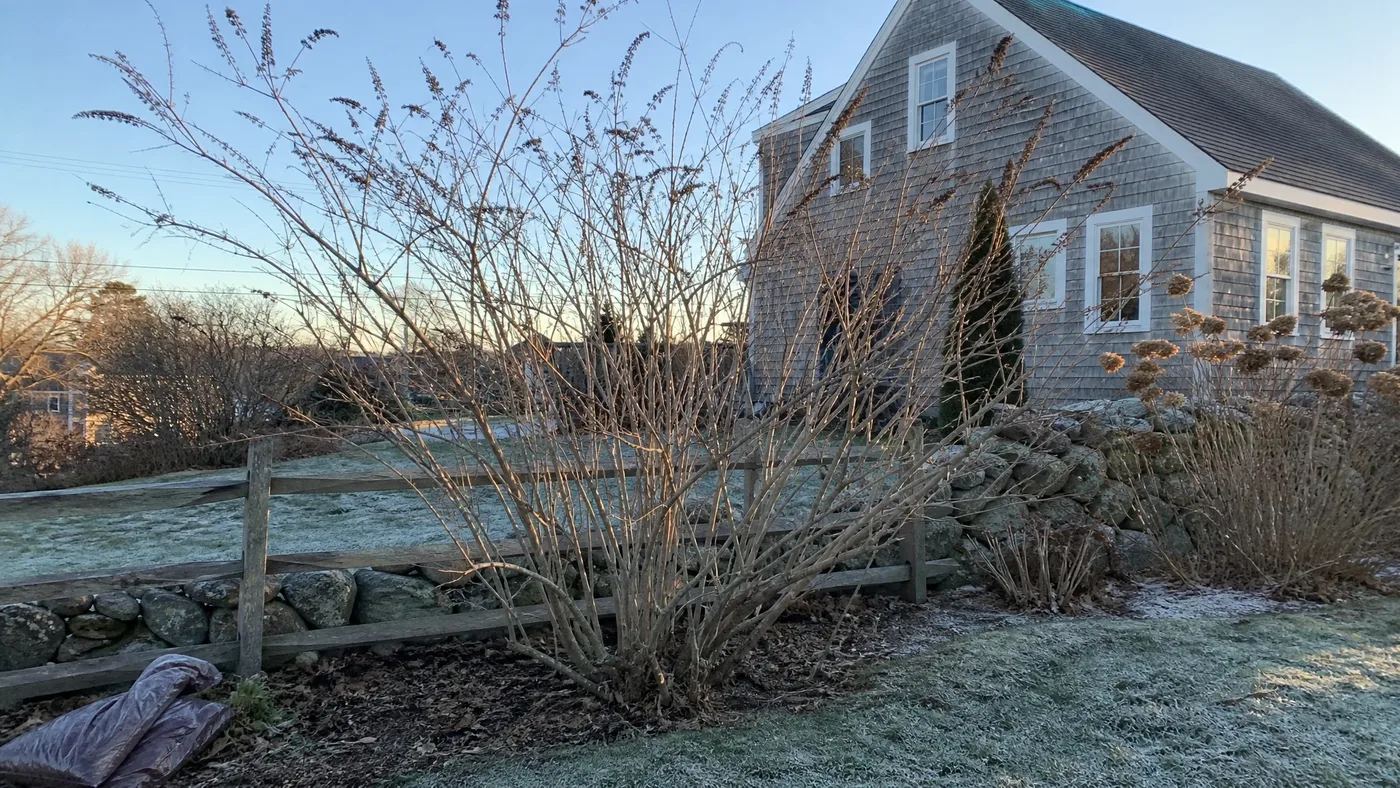
6 to 8 feet. That is the height a Black Knight butterfly bush reaches in a few seasons, and it keeps going from there. Most people who plant one picture a tidy mound beside the patio. What they get is an arching shrub with honey-scented purple spikes at head height, loud with butterflies from midsummer on.
That gap explains why we get the same search question again and again: is there a dwarf Black Knight? The honest answer is not the one some tags and search results suggest, and a wrong guess means a plant in the wrong spot for years.
We'll walk you through how a "dwarf" tag comes about, what to do with a plant that has outgrown its place or never reached full height, and which compact cultivars to buy instead, then how cuttings and breeding history settle the question.
When a Tag Says Dwarf Black Knight Butterfly Bush
A "dwarf Black Knight" listing is almost always a labeling slip or a search habit. Here is how it happens and how to check before you pay.
How the Mislabel Happens
Black Knight is an older, large cultivar. The compact butterfly bushes that followed it, such as the Lo & Behold series, Pugster and the Miss series, are sold on their small size. Sellers and shoppers who type both ideas into one search box get a blended result.
The tag itself can go wrong in three ways. A seller writes "compact" for a dark purple butterfly bush and the word gets read as the cultivar's trait. A small potted plant gets labeled by its current size. Or a different cultivar ends up under the Black Knight name.
One of the most common questions we get is whether a smaller Black Knight exists. Plants sold as one are either a young Black Knight or a different cultivar.
The Tag Check
Run through these points before you order or plant. Our Black Knight buying guide covers the rest of what to look for.
- The full cultivar name should read Buddleja davidii 'Black Knight' with nothing added, such as "Dwarf," "Junior," "Mini" or "Petite."
- The listed mature height should be a large number, 2.5 to 4 meters, which is about 8 to 13 feet.
- The flower color should be described as deep purple, not lilac or blue.
- If the seller cannot name a breeder or a series for a "dwarf" version, it is not a recognized cultivar.
Your Black Knight Butterfly Bush Outgrew Its Spot
Many "dwarf" searches start after a plant has swallowed a walkway. The cause is growth rate, and the fix is a saw and a calendar.
Why It Grew so Fast
NC State Extension describes the species as a rapidly growing, sometimes weedy, woody, deciduous, perennial shrub. Black Knight inherits that vigor. It is a vigorous large shrub with somewhat arching growth, so it spreads outward as well as up.
The 1-gallon plant you set out in spring can be waist high by fall. By the third season, 6 to 8 feet is normal. Given room and sun, it can go higher.
The Fix: Cut It Back or Move It
Black Knight flowers on the tips of the current year's growth. That means hard pruning costs you almost nothing. The University of Arkansas extension says you can be quite aggressive with spring renewal pruning, and we agree. Cut the stems to a framework of low stumps in early spring as new growth starts. Our pruning guide has the timing.
Annual cutting keeps the shrub in bounds. It does not make it a dwarf. It will still rebound to its full height each summer, so plan the spot for that. If the site is simply too small, move the plant while it is dormant and replace it with a compact cultivar from the section below.
We send Black Knight out as the full-size shrub it is, so check the planting spot against the numbers above before you dig.
The Shrub Is Shorter Than Six Feet
If yours is stuck at 3 or 4 feet after several seasons, one of three things is usually going on. Work through them in this order.
Cold Dieback
The species is hardy in USDA zones 5 through 9. In the colder end of that range, winter can kill stems back to the base. The plant then regrows from the crown each spring.
A cut-back plant starts over from near zero every year, so it can end the season shorter than a mature shrub. It still flowers, because the blooms come on new wood. Mulch the crown and wait. Our guide to winter care in cold climates covers it.
Poor Soil and Too Little Sun
The species wants full sun and moist, well-drained soil, with a neutral pH of 6.0 to 8.0. Heavy clay that holds water and a shady corner both slow it down. Partial shade is acceptable for the cultivar, but acceptable is not the same as tall and full.
Check drainage by watching how fast a planting hole drains after rain. If water stands, raise the bed rather than adding fertilizer.
A Different Cultivar
If neither of those fits, the plant may not be Black Knight. A compact cultivar sold under the wrong name will stay small however well you treat it. Compare it with the descriptions in the next section.
Flowers Look Right but the Plant Stays Short
Dark flowers are not proof of identity. Several things can mimic Black Knight's color while the size gives them away.
Telling the Real Plant From a Look-Alike
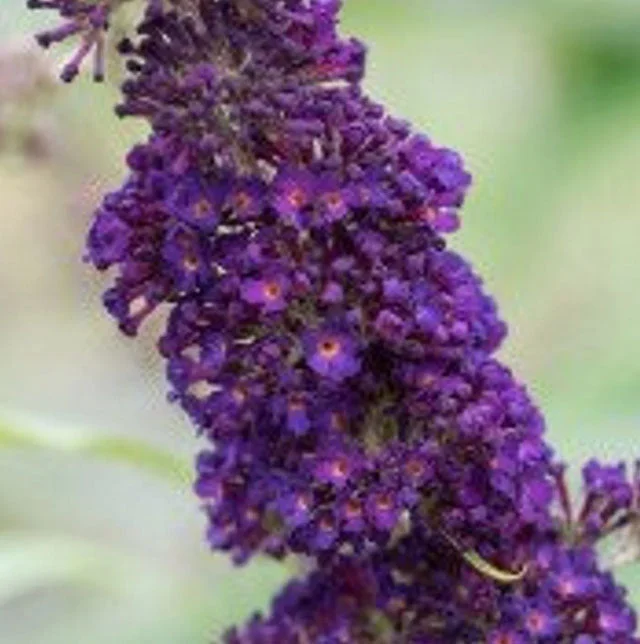
Black Knight carries scented, deep purple flowers in long panicles at the tips of the year's growth. The leaves are lance-shaped and whitish underneath. The habit is arching.
The species is a different color. Its flowers are lilac with an orange throat. A volunteer seedling near your plant will often show that orange eye, and it can grow 6 to 12 feet itself. Dark Knight is the other common mix-up, and our Black Knight and Dark Knight comparison lays out the differences.
Stunting in a Genuine Black Knight
A true Black Knight can stay short for ordinary reasons. A plant in a pot that has run out of root room stalls. So does one in repeated drought, and spider mites can become a problem during drought. Look at the underside of the leaves for stippling and fine webbing.
In our rows, a stunted plant is usually a root or water problem, not a genetic one. Move it to the ground, water deeply through dry spells, and it recovers within a season or two.
Searching for a Smaller Black Knight Butterfly Bush Cousin
If you want the look in a smaller package, buy a cultivar that was bred small. These come from deliberate breeding, not from any Black Knight sport.
The table lists the compact cultivars our sources describe, next to Black Knight for scale.
| Cultivar | Size | Notes |
|---|---|---|
| Black Knight | About 8 to 13 feet | Deep purple, scented, arching |
| Miss Molly | 4 to 5 feet tall and wide | Sterile hybrid |
| Blue Chip Junior | About 3 feet (90 cm) | Lo and Behold series |
| Lilac Chip | Extremely dwarf | Descends from Blue Chip and Miss Molly |
Miss Molly is a medium-sized, mounding shrub that grows 4 to 5 feet in height and width. It is the nearest step down if you still want a real shrub. Lilac Chip is extremely dwarf compared to standard cultivars, and more compact than Blue Chip.
The Lo & Behold series was bred by Dr. Dennis Werner, and Blue Chip Junior stays near 3 feet. The series does not set fertile seed, so it will not spread.
None of these is a Black Knight in miniature. The names suggest lilac and blue rather than deep purple, so check the flower color on the tag against your plan. For a wider look, see how other butterfly bushes compare to Black Knight.
Cuttings From Black Knight Butterfly Bush Stay Tall
Some growers hope a cutting or a small start will give a smaller plant. It will not, and the propagation facts explain why.
A Cutting Is a Copy
A cutting is a piece of the parent. Same genes, same vigor, same size. Root a tip from a 7-foot Black Knight and you grow a 7-foot Black Knight. Pruning the new plant hard each spring controls its height, but it does not change what the plant is.
Seed does not help either. Seedlings from a cultivar do not come true. They scatter toward other forms, often the lilac species type, and some of those will be bigger than you want.
No Dwarf Sport Is Known
Now and then a branch on a plant mutates into a new form, called a sport. Growers propagate those sports and sometimes name them. We know of no dwarf sport of Black Knight, and none appears in the sources we checked.
The small butterfly bushes on the market came from planned crosses, not accidents. Blue Chip, the first of the Lo & Behold series, was released as a miniature butterfly bush after careful breeding work. That is the route to small, and Black Knight is not on it.
Why No True Dwarf Black Knight Exists
Here is the verdict, in numbers.
One cultivar named Black Knight. One size class: large.
6 to 8 feet in a few seasons. Up to 8 to 13 feet at maturity.
0 dwarf sports known. 0 breeders' dwarf releases under the name.
3 compact options with real records: Miss Molly, Blue Chip Junior and Lilac Chip.
Any listing that says otherwise is a different plant or a mislabeled one. If you want Black Knight's color and scent, give it room and cut it hard each spring. If you want a small shrub, pick one of the compact cultivars and enjoy what it actually is.
One Size of Black Knight Butterfly Bush
Black Knight is one cultivar, 6 to 8 feet in a few seasons, with no dwarf form. The smaller alternatives are Miss Molly, Blue Chip Junior and Lilac Chip, and each is a separate plant with its own record. A tall one in the right place gives you deep purple spikes, honey scent and butterflies from June into fall.
Black Knight Butterfly Bush
Nursery-grown Black Knight Butterfly Bush in sizes from Quart Plant, shipped to your door.
From $49.49
Shop Now →On our farms, we grow Black Knight in full sun in well-drained ground and give each plant room to reach its natural size, because that is what the plant does best.